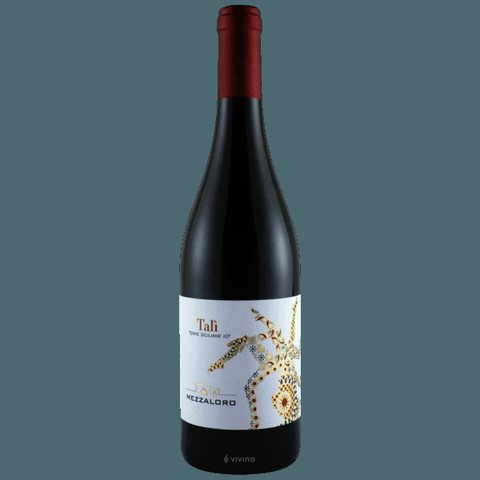
Red · Terre Siciliane · Italy
Mezzaloro Tali
Scored from 200 calibrated Vivino reviewers. Cohort: Red · Italy (947 wines).
Find this wine: view on Vivino · compare prices on Wine-Searcher
Is Tali a good wine?
What reviewers say
“👁️ Coloração Violácea Translúcida com lágrimas finas e lentas. 👃🏼Intensidade Média (+) com notas de frutas (Vermelhas, Negras e Secas), de Madeira, Terra, Floral e especiarias. 👄 Intensidade Média (+), Seco, acidez bem equilibrada, taninos Médios (-). Notas de Chocolate, Carvalho, Morango, Cereja, Mirtilo, Amora, Terra, Violeta, Rosa, canela, pimenta, ervas secas e Figo seco e Ameixa Seca. Corpo Médio, Final e retrogosto longo.”
From a top-rated Vivino review for this bottle.
Summary
Mezzaloro Tali is an Italian red made from Undefined. It is bottled in Terre Siciliane.
200 Vivino reviewers are calibrated for this bottle, and those are the ones the calibrated score reads; a separate, broader pool of 209 reviewers with at least two ratings each feeds the raw-average track. Its in-cohort standing is measured against 946 other reds from Italy, not against the corpus as a whole.
- Cohort
- Red · Italy · 947 wines
- Calibrated reviewers
- none yet