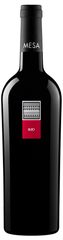
Red · Carignano del Sulcis · Italien
Mesa Buio
Scored from 1,434 calibrated Vivino reviewers. Cohort: Red · Italien (289 wines).
Find this wine: view on Vivino · compare prices on Wine-Searcher
Is Buio a good wine?
What reviewers say
“Odio la mattina presto ma chi l ha inventata lasciatemi dormire ancora un poco scusami non riesco proprio a veder l'alba ho bevuto un vino che respira il piombo del maestrale scusami non riesco a vedere l'alba c'era la sagra della capra bollita suonavano de andré e dovevo guardar…”
From a top-rated Vivino review for this bottle.
Summary
Aromas of red fruit and very ripe plums. Herbal aromas of geraniums in full-bloom and black pepper at finish.
Mesa Buio is an Italian red made from Carignane. It comes from Carignano del Sulcis, in Italy. The cheapest 750 ml listing found for it is $16.50, which puts the bottle in the $15–30 band.
1,434 Vivino reviewers are calibrated for this bottle, and those are the ones the calibrated score reads; a separate, broader pool of 1,487 reviewers with at least two ratings each feeds the raw-average track. The cohort it is ranked inside holds 289 Italian reds.
- Cohort
- Red · Italien · 289 wines
- Calibrated reviewers
- none yet