Red · Calatayud · Spain
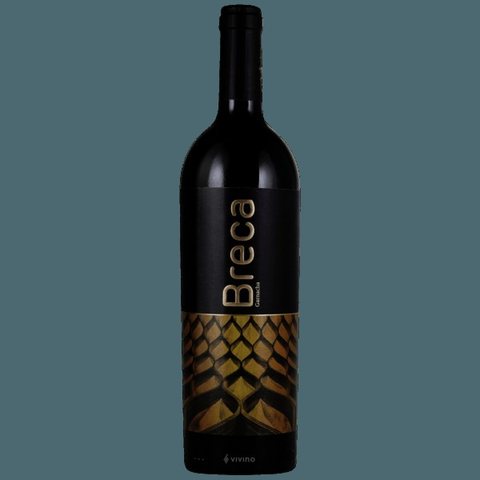
Breca Garnacha
Scored from 3,885 calibrated Vivino reviewers. Cohort: Red · Spain (435 wines).
Find this wine: view on Vivino · compare prices on Wine-Searcher
Is Garnacha a good wine?
What reviewers say
“Fabulous value for money. Repeating our last review: It starts with the label, exotically beautiful! Then the pour, inky and filled with promise. Then the nose, fruit, spice, leather and berries but you already knew you’re in for a treat. Then the palate gets its chance.”
From a top-rated Vivino review for this bottle.
Summary
Mineral notes of wet slate and gun flint are intermixed with blackcurrant, black cherry and cassis fruit. It is a dense, full-bodied, pure, lavishly rich, intense Spanish red.
Breca Garnacha is Grenache Noir grown in Calatayud, bottled as a red. At $19.99 for the lowest 750 ml listing, it belongs to the $15–30 band.
434 other reds from Spain form the cohort it is ranked inside. The calibrated figure is built from 3,885 of its Vivino reviewers. A broader pool of 4,005 reviewers with two or more ratings feeds the raw-average track instead.
- Cohort
- Red · Spain · 435 wines
- Calibrated reviewers
- none yet
Cohort: Red · Spain