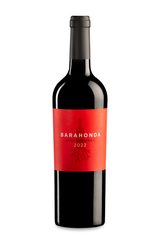
Red · Yecla · Espagne
Barahonda Monastrell
Scored from 957 calibrated Vivino reviewers. Cohort: Red · Espagne (153 wines).
Find this wine: view on Vivino · compare prices on Wine-Searcher
Is Monastrell a good wine?
What reviewers say
“Organic red dry wine made from Monastrell grapes from the Spanish region of Yecla. The wine has a rich, deep color with hints of ripe plum. The aroma of the wine, with notes of black berries, reveals notes of oak and vanilla, which contrast with the pepper and licorice notes.”
From a top-rated Vivino review for this bottle.
Summary
Fruity wine, fresh and lively, with good acidity and powerful tannins and pleasant. On the nose shows aromas of fruit with some complexity. Well balanced and with good body, long and happy, it shows a red picota very much alive.
From Yecla in Spain, Barahonda Monastrell is a red. At $6.43 for the lowest 750 ml listing, it belongs to the under $15 band.
152 other reds from Spain form the cohort it is ranked inside. 957 Vivino reviewers are calibrated for this bottle, and those are the ones the calibrated score reads; a separate, broader pool of 981 reviewers with at least two ratings each feeds the raw-average track.
- Cohort
- Red · Espagne · 153 wines
- Calibrated reviewers
- none yet