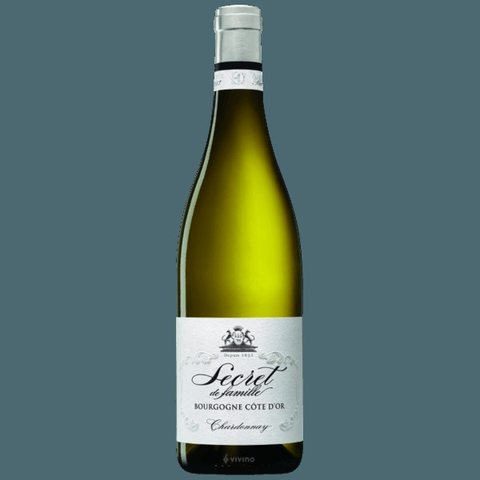
White · Bourgogne · França
Albert Bichot Secret de Famille Bourgogne Côte d'Or Chardonnay
Scored from 200 calibrated Vivino reviewers. Cohort: White · França (230 wines).
Find this wine: view on Vivino · compare prices on Wine-Searcher
Is Secret de Famille Bourgogne Côte d'Or Chardonnay a good wine?
What reviewers say
“Pale lemon in color with a developing medium intensity nose. Green apple, lemon, pear, cream, honey, toasted wood. Dry, high acidity, medium bodied, medium alcohol and medium intensity on the body. Pear, golden apple, lemon, baking spice, yogurt, cream. Very good quality of wine. Can drink now, suitable for further aging. 3.9 stars.”
From a top-rated Vivino review for this bottle.
Summary
From Bourgogne in France, Albert Bichot Secret de Famille Bourgogne Côte d'Or Chardonnay is a white. The cheapest 750 ml listing found for it is $22.00, which puts the bottle in the $15–30 band.
200 Vivino reviewers are calibrated for this bottle, and those are the ones the calibrated score reads; a separate, broader pool of 203 reviewers with at least two ratings each feeds the raw-average track. The cohort it is ranked inside holds 230 French whites.
- Cohort
- White · França · 230 wines
- Calibrated reviewers
- none yet
Cohort: White · França
Closest peers
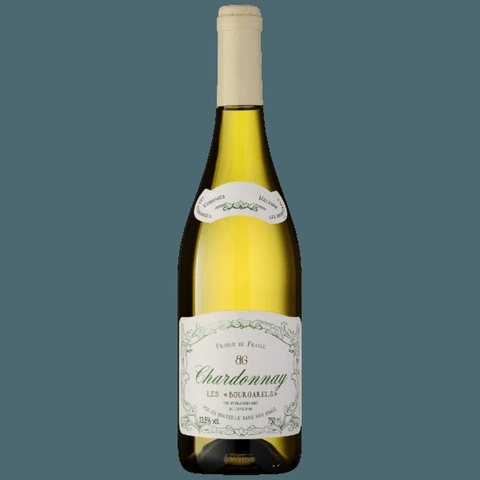 White48.7