Red · California · United States
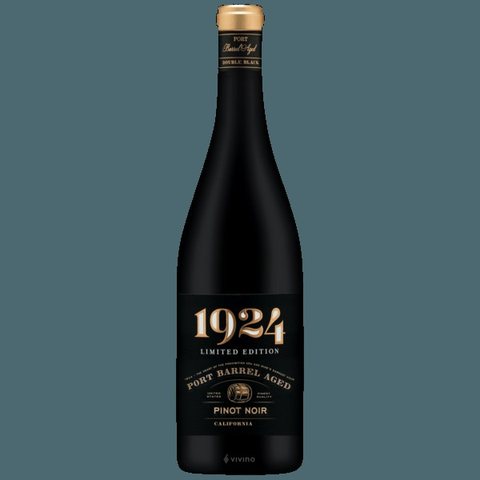
1924 Wines Port Barrel Aged Pinot Noir (Limited Edition)
Scored from 706 calibrated Vivino reviewers. Cohort: Red · United States (1,156 wines).
Find this wine: view on Vivino · compare prices on Wine-Searcher
Is Port Barrel Aged Pinot Noir (Limited Edition) a good wine?
What reviewers say
“Rich, raisin, prune & oak aromas!(Nostalgic from Frontera’s oldest Sherry cellar (yet younger) just toured two weeks ago!) Paired with spare ribs & leftover cheese covered sour krauwt ‘stamppot’ baked in the oven! Wow!”
From a top-rated Vivino review for this bottle.
Summary
From California in the United States, 1924 Wines Port Barrel Aged Pinot Noir (Limited Edition) is a red. It sits in the $15–30 band, on a lowest observed 750 ml price of $15.59.
Its in-cohort standing is measured against 1,155 other reds from the United States, not against the corpus as a whole. 706 Vivino reviewers are calibrated for this bottle, and those are the ones the calibrated score reads; a separate, broader pool of 727 reviewers with at least two ratings each feeds the raw-average track.
- Cohort
- Red · United States · 1,156 wines
- Calibrated reviewers
- none yet
Cohort: Red · United States