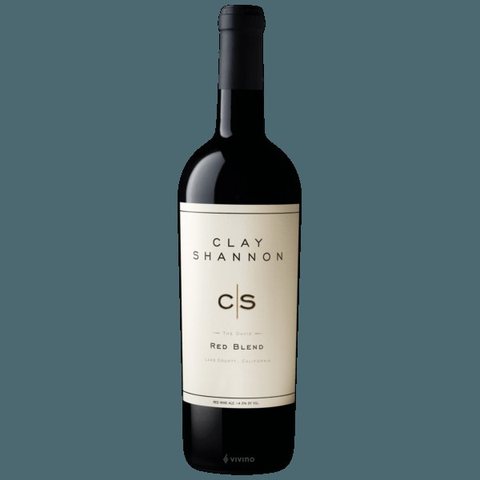
Red · Lake County · United States
Clay Shannon The David Red Blend
Scored from 106 calibrated Vivino reviewers. Cohort: Red · United States (1,156 wines).
Find this wine: view on Vivino · compare prices on Wine-Searcher
Is The David Red Blend a good wine?
What reviewers say
“Great dried black fruit and leather on nose. Almost old work spice. Balanced, stimulating, and round, without being overly acidic or heavy. The blending is brilliant, and where many fail to create a working combinations of distinct flavors, Clay Shannon crafts a marriage of flavors familiar and yet unique. Far exceeded expectations after reading other reviews. plum blackberry forest hoisin dried apricot fig floor beef broth”
From a top-rated Vivino review for this bottle.
Summary
Clay Shannon The David Red Blend is an American red from Lake County. It sits in the $15–30 band, on a lowest observed 750 ml price of $20.00.
The cohort it is ranked inside holds 1,156 American reds. 106 Vivino reviewers are calibrated for this bottle, and those are the ones the calibrated score reads; a separate, broader pool of 109 reviewers with at least two ratings each feeds the raw-average track.
- Cohort
- Red · United States · 1,156 wines
- Calibrated reviewers
- none yet
Cohort: Red · United States