Film · 2006 · Films · 2000s
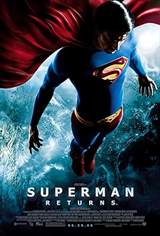
Superman Returns
Scored from 1,540 calibrated IMDb reviewers. Cohort: Films · 2000s (7,847 peers).
Summary
After a five-year absence searching the remains of Krypton, Superman returns to Earth to find that Lois Lane has moved on with a new family and won a Pulitzer for an article declaring the world doesn't need him. Meanwhile, Lex Luthor, freshly out of prison, has stolen Kryptonian crystals and hatches a scheme to grow a new continent that would devastate much of North America.
Released in 2006, Superman Returns is an action, adventure and science-fiction film.
A second review pool sits behind it as well: 26,536 Rotten Tomatoes reviewers clear the same calibration test, and Rankquant scores them separately. 7,846 other films from the 2000s form the cohort it is ranked inside. 1,540 IMDb reviewers are calibrated for this title, and those are the ones the calibrated score reads; a separate, broader pool of 1,628 reviewers with at least two reviews each feeds the raw-average track.
Is Superman Returns (2006) worth watching?
- Cohort
- Films · 2000s · 7,847 titles
- Calibrated reviewers
- 1,540
Cohort: Films · 2000s