Film · 1968 · Films · 1960s
Chitty Chitty Bang Bang
Scored from 185 calibrated IMDb reviewers. Cohort: Films · 1960s (1,929 peers).
Summary
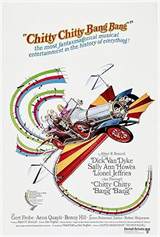
Eccentric inventor Caractacus Potts restores a derelict racing car for his two children, christening it Chitty Chitty Bang Bang after the noises it makes. Together with the children and the sweet-named Truly Scrumptious, he spins a fantastical tale in which the magical car can float and fly, carrying them to the kingdom of Vulgaria, where a tyrannical Baron has outlawed children.
Released in 1968, Chitty Chitty Bang Bang is an adventure, family and fantasy film.
185 IMDb reviewers are calibrated for this title, and those are the ones the calibrated score reads; a separate, broader pool of 199 reviewers with at least two reviews each feeds the raw-average track. A second review pool sits behind it as well: 6,995 Rotten Tomatoes reviewers clear the same calibration test, and Rankquant scores them separately. The cohort it is ranked inside is 1960s films — 1,929 of them.
Is Chitty Chitty Bang Bang (1968) worth watching?
- Cohort
- Films · 1960s · 1,929 titles
- Calibrated reviewers
- 185
Cohort: Films · 1960s