Film · 2002 · Films · 2000s
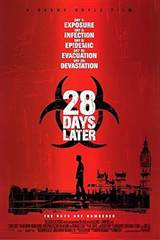
28 Days Later
Scored from 1,127 calibrated IMDb reviewers. Cohort: Films · 2000s (7,847 peers).
Summary
A man awakens from a coma to discover that a rage virus has decimated London and transformed its population into violent infected creatures. He escapes the city and joins a group of immune survivors as they journey through the devastated English countryside seeking shelter and safety.
Danny Boyle directed 28 Days Later, a horror, science-fiction and thriller film from 2002. It was made in the United Kingdom. It stars Cillian Murphy, Naomie Harris and Brendan Gleeson. It is rated R. The runtime is 113 minutes.
1,127 IMDb reviewers are calibrated for this title, and those are the ones the calibrated score reads; a separate, broader pool of 1,177 reviewers with at least two reviews each feeds the raw-average track. Its in-cohort standing is measured against the other 7,846 2000s films, not against the whole corpus. A second review pool sits behind it as well: 28,381 Rotten Tomatoes reviewers clear the same calibration test, and Rankquant scores them separately.
Is 28 Days Later (2002) worth watching?
- Cohort
- Films · 2000s · 7,847 titles
- Calibrated reviewers
- 1,127
Cohort: Films · 2000s