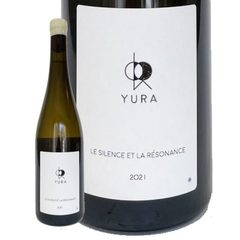
White · Alsace · France
Yura Le Silence et La Résonance
Scored from 135 calibrated Vivino reviewers. Cohort: White · France (7,336 wines).
Find this wine: view on Vivino · compare prices on Wine-Searcher
Is Le Silence et La Résonance a good wine?
Tasting profile
A crystalline, bone-dry Riesling showing green apple, citrus, stone fruit like peach and apricot, and white flowers, lifted by a touch of honey and chalky, saline minerality. Bright acidity stays balanced rather than sharp, giving a round, pure palate with good tension and a lingering lemongrass finish.
Synthesized from 135Vivino reviewers' tasting notes for this bottle.
What reviewers say
“Just wow. Paired with uni. Bueno terra with Paven”
From a top-rated Vivino review for this bottle.
Summary
Yura Le Silence et La Résonance is a French white made from Riesling. It comes from Alsace, in France.
135 Vivino reviewers are calibrated for this bottle, and those are the ones the calibrated score reads; a separate, broader pool of 135 reviewers with at least two ratings each feeds the raw-average track. Its in-cohort standing is measured against 7,335 other whites from France, not against the corpus as a whole.
- Cohort
- White · France · 7,336 wines
- Calibrated reviewers
- none yet
Cohort: White · France