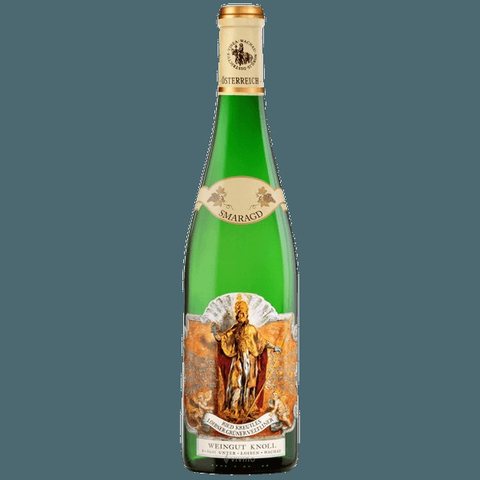
White · Wachau · Austria
Weingut Knoll Ried Kreutles Loibner Grüner Veltliner Smaragd
Scored from 684 calibrated Vivino reviewers. Cohort: White · Austria (1,190 wines).
Find this wine: view on Vivino · compare prices on Wine-Searcher
Is Ried Kreutles Loibner Grüner Veltliner Smaragd a good wine?
What reviewers say
“Kaum ein anderer hat die Wahrnehmung der Wachau als Weinbaugebiet derart geprägt. Weinbau wird von Familie Knoll seit Generationen betrieben, das wohl berühmteste Etikett Österreichs wurde erstmals 1962 auf eine Flasche geklebt.”
From a top-rated Vivino review for this bottle.
Summary
Real nice and fresh nose that has a good crispness to it along with excellent tones of lemon zest, pears, minerals, crushed rocks and bits of citrus.
Weingut Knoll Ried Kreutles Loibner Grüner Veltliner Smaragd is Gruner Veltliner grown in Wachau, bottled as a white.
The calibrated figure is built from 684 of its Vivino reviewers. A broader pool of 692 reviewers with two or more ratings feeds the raw-average track instead. Its in-cohort standing is measured against 1,189 other whites from Austria, not against the corpus as a whole.
- Cohort
- White · Austria · 1,190 wines
- Calibrated reviewers
- none yet
Cohort: White · Austria
Closest peers
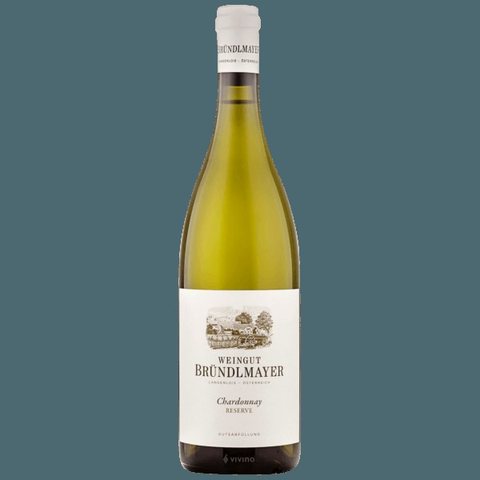 White77.3
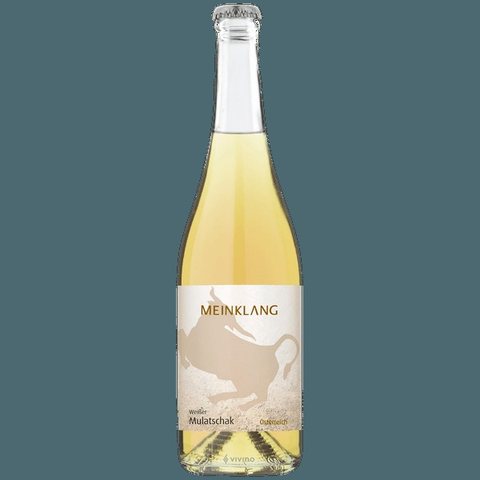 White76.8