Van Zellers 20 Year Old Tawny Port
24
global pct
98.1
Fortified · Porto · Portugal
Van Zellers 20 Year Old Tawny Port
Scored from 42 calibrated Vivino reviewers. Cohort: Fortified · Portugal (1,422 wines).
98.1%
Global percentile
vs. all 69,234 ranked wines
88.2%
In-cohort percentile
Fortified · Portugal · 1,422 wines
—
AI-adjusted percentile
not enough calibrated reviewers yet
Find this wine: view on Vivino · compare prices on Wine-Searcher
Is 20 Year Old Tawny Port a good wine?
What reviewers say
“Wow! Vanilla and Caramel tones so much to unpack but so delightful not too sweet just perfect.”
From a top-rated Vivino review for this bottle.
Summary
From Porto in Portugal, Van Zellers 20 Year Old Tawny Port is a fortified wine.
42 Vivino reviewers are calibrated for this bottle, and those are the ones the calibrated score reads; a separate, broader pool of 42 reviewers with at least two ratings each feeds the raw-average track. The cohort it is ranked inside holds 1,422 Portuguese fortified wines.
- Cohort
- Fortified · Portugal · 1,422 wines
- Calibrated reviewers
- none yet
Cohort: Fortified · Portugal
Closest peers
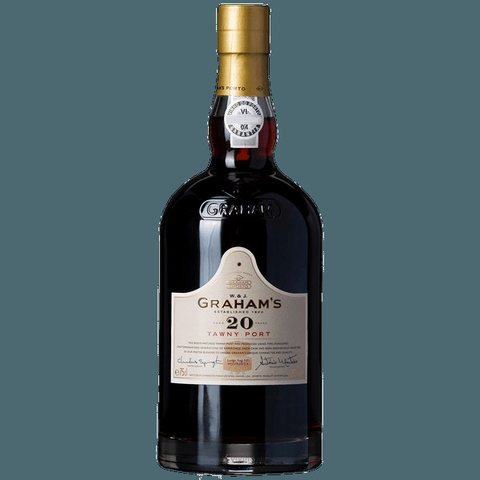 Fortified98.1
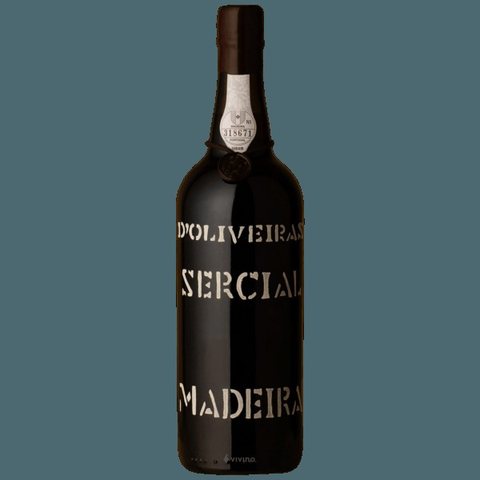 Fortified98.1
Cockburn's · Vintage Port
Kranemann · 20 Anos Tawny Porto
Kopke · 20 Years Old White Port
Henriques & Henriques · Boal Single Harvest Madeira
Palmer · Aged 40 Years Tawny Porto
Blandy's Madeira · 20 Year Old Terrantez Madeira (Medium Rich)