Red · Burgenland · Austria
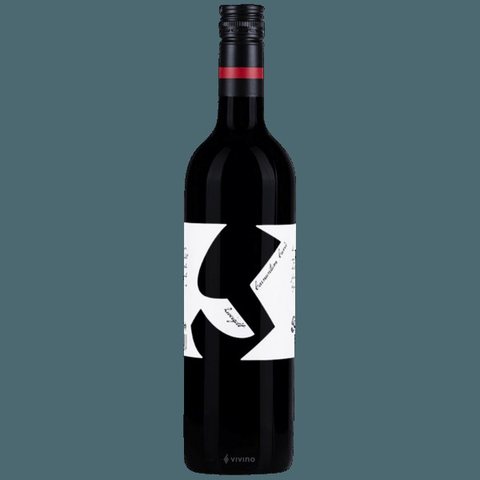
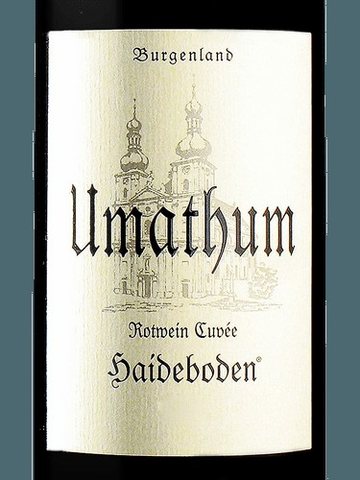
Umathum Cuvée Haideboden
Scored from 670 calibrated Vivino reviewers. Cohort: Red · Austria (78 wines).
Find this wine: view on Vivino · compare prices on Wine-Searcher
Is Cuvée Haideboden a good wine?
What reviewers say
“Zweigelt dominated Cuvée with Blaufränkisch and Cabernet Sauvignon. Aged for 20M in Barrique, 1/3 new. Med to deep ruby color. Nose of dark fruit,black currant, red fruit marmelade, herbal and nutty notes.”
From a top-rated Vivino review for this bottle.
Summary
Bright garnet red in color. Fragrant cherries and blackberries with hints of currants on the nose. On the palate are dark, ripe cherries with nuances of currants and light roasted aromas. Ripe yet delicate with good tannic acid structure and a fine aftertaste.
Umathum Cuvée Haideboden is a red from Burgenland, Austria. It blends Blaufrankisch, Cabernet Sauvignon and Zweigelt.
670 Vivino reviewers are calibrated for this bottle, and those are the ones the calibrated score reads; a separate, broader pool of 684 reviewers with at least two ratings each feeds the raw-average track. Its in-cohort standing is measured against 77 other reds from Austria, not against the corpus as a whole.
- Cohort
- Red · Austria · 78 wines
- Calibrated reviewers
- none yet
Cohort: Red · Austria