Red · Mendoza · Argentina
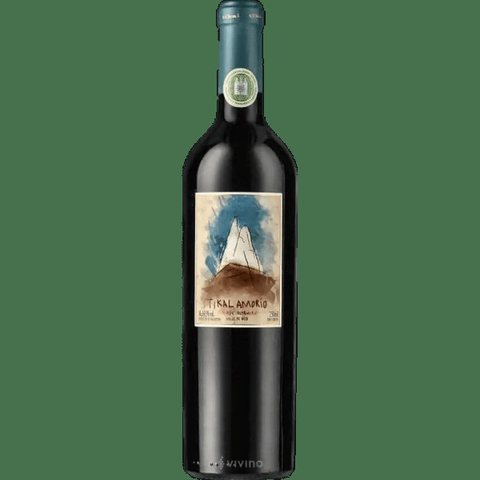
Tikal Amorío Malbec
Scored from 2,764 calibrated Vivino reviewers. Cohort: Red · Argentina (482 wines).
Find this wine: view on Vivino · compare prices on Wine-Searcher
Is Amorío Malbec a good wine?
What reviewers say
“Excelente surpresa! Outro vinho esquecido na adega. Malbec exuberante e expressivo, produzido a partir de vinhedos de altitude em Mendoza. Coloração rubi intensa com reflexos violáceos.”
From a top-rated Vivino review for this bottle.
Summary
Aromas of smoky oak and cherry. Flavors of ripe red and black cherries, red berries. Quite rich and velvety on the palate, and finishes with just enough grip to make it a real winner with food.
From Mendoza in Argentina, Tikal Amorío Malbec is a red. The cheapest 750 ml listing found for it is $38.42, which puts the bottle in the $30–60 band.
2,764 Vivino reviewers are calibrated for this bottle, and those are the ones the calibrated score reads; a separate, broader pool of 2,844 reviewers with at least two ratings each feeds the raw-average track. 481 other reds from Argentina form the cohort it is ranked inside.
- Cohort
- Red · Argentina · 482 wines
- Calibrated reviewers
- none yet
Cohort: Red · Argentina