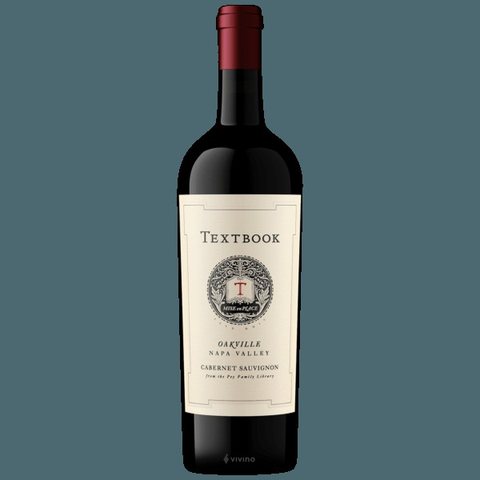
Red · Oakville · United States
Textbook Mise en place Cabernet Sauvignon
Scored from 344 calibrated Vivino reviewers. Cohort: Red · United States (1,156 wines).
Find this wine: view on Vivino · compare prices on Wine-Searcher
Is Mise en place Cabernet Sauvignon a good wine?
What reviewers say
“Aromas of black cherry and tobacco in the beginning, which later gradually evolved into hints of toasted walnut on the nose. Blackberry, leather, tobacco, oak, and dark chocolate in the mouth. Less of an oak-influenced Cabernet Sauvignon from the region compared to its peers.”
From a top-rated Vivino review for this bottle.
Summary
Textbook Mise en place Cabernet Sauvignon is an American red from Oakville. At $75.39 for the lowest 750 ml listing, it belongs to the $60–120 band.
Its in-cohort standing is measured against 1,155 other reds from the United States, not against the corpus as a whole. The calibrated figure is built from 344 of its Vivino reviewers. A broader pool of 353 reviewers with two or more ratings feeds the raw-average track instead.
- Cohort
- Red · United States · 1,156 wines
- Calibrated reviewers
- none yet
Cohort: Red · United States