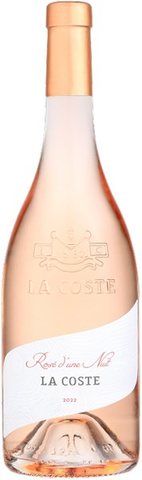
Rosé · Pays d'Oc · France
Terrasses de la Mer Rosé d'Une Nuit
Scored from 63 calibrated Vivino reviewers. Cohort: Rosé · France (2,010 wines).
51.9%
Global percentile
vs. all 69,234 ranked wines
70.9%
In-cohort percentile
Rosé · France · 2,010 wines
—
AI-adjusted percentile
not enough calibrated reviewers yet
Find this wine: view on Vivino · compare prices on Wine-Searcher
Is Rosé d'Une Nuit a good wine?
What reviewers say
“Sart laksefarvet i glasset. Meget lidt i næsen, og let i munden. Smagen er let med jordbær og hindbær. Ikke en stor rose, men ganske forfriskende glas i eftermiddags solen.”
From a top-rated Vivino review for this bottle.
Summary
From Pays d'Oc in France, Terrasses de la Mer Rosé d'Une Nuit is a rosé.
The calibrated figure is built from 63 of its Vivino reviewers. A broader pool of 66 reviewers with two or more ratings feeds the raw-average track instead. The cohort it is ranked inside holds 2,010 French rosés.
- Cohort
- Rosé · France · 2,010 wines
- Calibrated reviewers
- none yet
Cohort: Rosé · France
Closest peers
Domaine du Coulet - Matthieu Barret · Petit Ours Rosé
Bernard Baudry · Chinon Rosé
 Rosé52
Domaine Léonine · Qué Pasa Rosé
Cherche Midi · Rosé
Château de Villemajou · Domaine de Villemajou Corbières Rosé
Giacometti · Cru des Agriates Patrimonio Rosé
Vincent Grall · Tradition Sancerre Rosé