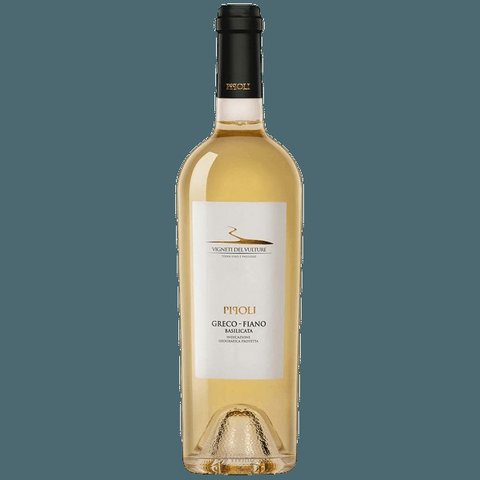
White · Sicilia · Italy
Tenute Orestiadi Nissim Grillo
Scored from 60 calibrated Vivino reviewers. Cohort: White · Italy (3,194 wines).
Find this wine: view on Vivino · compare prices on Wine-Searcher
Is Nissim Grillo a good wine?
What reviewers say
“Grillo from the Belìce Valley, in Gibellina, Sicily, Italy. Aging for 3 months in steel and at least 4 months in bottle. Reveals aromas of lime, grapefruit, white peach, passion fruit, fennel, beeswax, and citrus blossom. Expressive, citrus-driven, savory, floral, slightly mineral, crisp, medium bodied, oily, with lingering finish. Made by Tenute Orestiadi, that has an ancient name evoking the myth of Oreste and the Orystiade.”
From a top-rated Vivino review for this bottle.
Summary
Tenute Orestiadi Nissim Grillo is a white from Sicilia, Italy.
60 Vivino reviewers are calibrated for this bottle, and those are the ones the calibrated score reads; a separate, broader pool of 60 reviewers with at least two ratings each feeds the raw-average track. 3,193 other whites from Italy form the cohort it is ranked inside.
- Cohort
- White · Italy · 3,194 wines
- Calibrated reviewers
- none yet
Cohort: White · Italy