Red · Oregon · United States
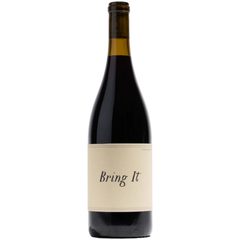
Swick Wines Bring It
Scored from 340 calibrated Vivino reviewers. Cohort: Red · United States (1,156 wines).
Find this wine: view on Vivino · compare prices on Wine-Searcher
Is Bring It a good wine?
What reviewers say
“60% Pinot Noir, 20% Syrah, 15% Grenache, and 15% Mourvèdre Blend from Oregon. Dark garnet red in glass. On the nose lots of red berries. Cherries. Perfumey. Hints of pomegranate and dried plums. On the palate super tart cranberries. Dark cherry as well. Leather and earth. Slight oak. Wild forest berries. Pinot Noir gives an earthy red taste but the other grapes add a great flavor of red berry and tartness to the wine.”
From a top-rated Vivino review for this bottle.
Summary
Swick Wines Bring It is a red from Oregon, the United States, blended from Pinot Noir, Malbec, Mourvedre, Cinsault and Graciano. It sits in the $30–60 band, on a lowest observed 750 ml price of $33.59.
The calibrated figure is built from 340 of its Vivino reviewers. A broader pool of 349 reviewers with two or more ratings feeds the raw-average track instead. The cohort it is ranked inside holds 1,156 American reds.
- Cohort
- Red · United States · 1,156 wines
- Calibrated reviewers
- none yet