Red · Mosel · Germany
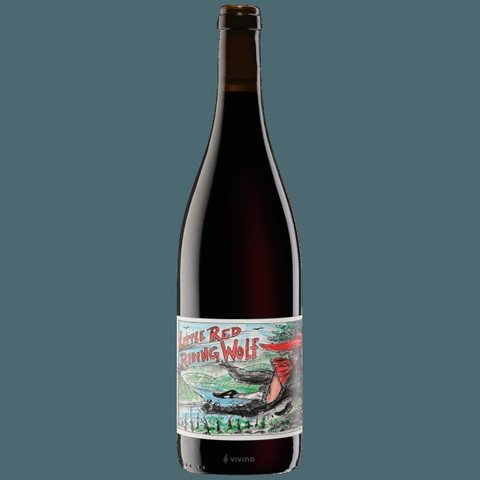
Staffelter Hof Little Red Riding Wolf
Scored from 263 calibrated Vivino reviewers. Cohort: Red · Germany (82 wines).
Find this wine: view on Vivino · compare prices on Wine-Searcher
Is Little Red Riding Wolf a good wine?
What reviewers say
“The opening among the December festive bottles! The smoke with tarty touch of vanilla , strawberry , cherry , plum, and a wind of violet (or tiny floral) the savory scents of pickles. ( celery ) Fermented. Decent unfiltered. Licorice gives the tone of xmas!”
From a top-rated Vivino review for this bottle.
Summary
Staffelter Hof Little Red Riding Wolf is a red from Mosel, Germany. It is made from Spatburgunder. The cheapest 750 ml listing found for it is $3,960, which puts the bottle in the $120-and-up band.
Its in-cohort standing is measured against 81 other reds from Germany, not against the corpus as a whole. 263 Vivino reviewers are calibrated for this bottle, and those are the ones the calibrated score reads; a separate, broader pool of 271 reviewers with at least two ratings each feeds the raw-average track.
- Cohort
- Red · Germany · 82 wines
- Calibrated reviewers
- none yet
Cohort: Red · Germany