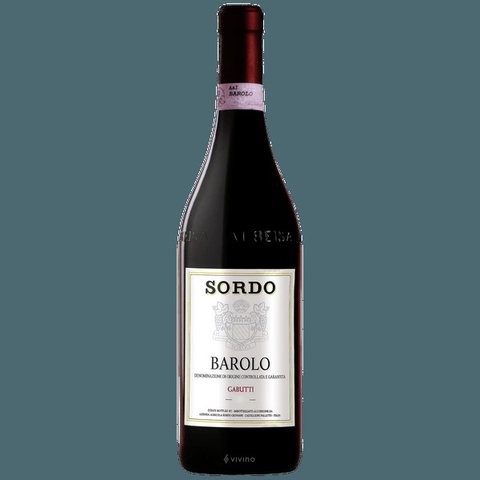
Red · Barolo · Italy
Sordo Gabutti Barolo
Scored from 383 calibrated Vivino reviewers. Cohort: Red · Italy (947 wines).
Find this wine: view on Vivino · compare prices on Wine-Searcher
Is Gabutti Barolo a good wine?
What reviewers say
“Degustazione presso Az.Ag. Sordo 3o assaggio con Gabutti annata. Color rubino scarico ma luminoso con unghia già leggermente aranciata. Al naso già complesso, cuoio, fiori secchi, viola, frutti di bosco freschi. Evolve nel tempo e abbiamo sentori balsamici e minerali.”
From a top-rated Vivino review for this bottle.
Summary
A lovely tonality and with a very stable savouriness, well structured , with acids and tannins nicely in step; the latter stand out and tend to be sweet.
From Barolo in Italy, Sordo Gabutti Barolo is a red. It is made from Nebbiolo.
Its in-cohort standing is measured against 946 other reds from Italy, not against the corpus as a whole. 383 Vivino reviewers are calibrated for this bottle, and those are the ones the calibrated score reads; a separate, broader pool of 387 reviewers with at least two ratings each feeds the raw-average track.
- Cohort
- Red · Italy · 947 wines
- Calibrated reviewers
- none yet