Red · Central Valley · Chile
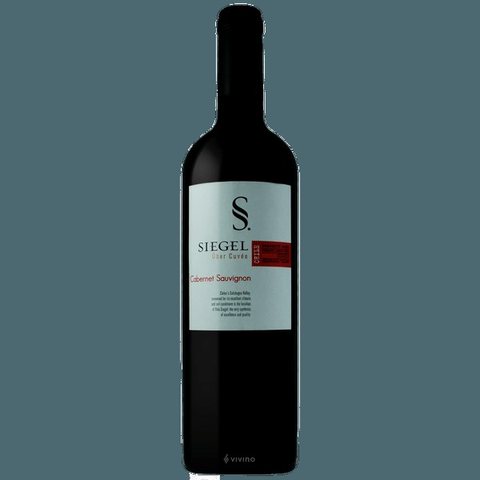
Siegel Uber Cuvée Cabernet Sauvignon
Scored from 103 calibrated Vivino reviewers. Cohort: Red · Chile (444 wines).
Find this wine: view on Vivino · compare prices on Wine-Searcher
Is Uber Cuvée Cabernet Sauvignon a good wine?
What reviewers say
“Deep ruby color. Presents a savory finish. Smells of tobacco, cranberry, earth, pepper, cherries. The taste is awesomely complex. Many flavors, plums, cherries, earth, coffee, tobacco, leather, oak, a little salty. Enjoyable while watching creepy movies on selfcare day. Kudos to my local wine club.”
From a top-rated Vivino review for this bottle.
Summary
Intense cherry color, well perfumed and sweet nose. This wines is reminiscent of mature red fruit like cherries, blackcurrant and chocolate.
From Central Valley in Chile, Siegel Uber Cuvée Cabernet Sauvignon is a red.
The calibrated figure is built from 103 of its Vivino reviewers. A broader pool of 106 reviewers with two or more ratings feeds the raw-average track instead. Its in-cohort standing is measured against 443 other reds from Chile, not against the corpus as a whole.
- Cohort
- Red · Chile · 444 wines
- Calibrated reviewers
- none yet
Cohort: Red · Chile