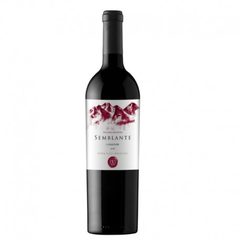
Red · Vallée centrale · Chili
Siegel Semblante Carménère
Scored from 275 calibrated Vivino reviewers. Cohort: Red · Chili (12 wines).
Find this wine: view on Vivino · compare prices on Wine-Searcher
Is Semblante Carménère a good wine?
What reviewers say
“Ik hou ervan, een goeie Carmenère. Vaak is het commerciële bulk, karakterloos en middle of the road. Deze niet; weliswaar bescheiden, maar erg plezierig om te drinken. Vooral door het zachte, rijpe en donkere fruit, braam, maar hij is ook krachtig, peper, kruidig, paprika. Aanwezige, maar plezierig ronde tannines. Een mooie fles.”
From a top-rated Vivino review for this bottle.
Summary
Siegel Semblante Carménère is a Chilean red made from Carmenere. It comes from Vallée centrale, in Chile.
275 Vivino reviewers are calibrated for this bottle, and those are the ones the calibrated score reads; a separate, broader pool of 297 reviewers with at least two ratings each feeds the raw-average track. Its in-cohort standing is measured against 11 other reds from Chile, not against the corpus as a whole.
- Cohort
- Red · Chili · 12 wines
- Calibrated reviewers
- none yet
Cohort: Red · Chili