Dessert · Samos · Greece
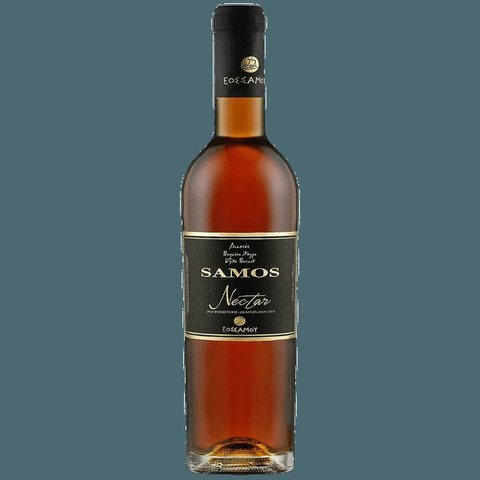
Samos Nectar
Scored from 253 calibrated Vivino reviewers. Cohort: Dessert · Greece (9 wines).
Find this wine: view on Vivino · compare prices on Wine-Searcher
Is Nectar a good wine?
What reviewers say
“(throwback wine records) *I had this wine at the Master Class at K-Sommelier Summit in 2019. (in Seoul) (100% Muscat / alc: 14%) Samos is a Greek island in the eastern Aegean Sea, well-known for sweet Muscat wine. Made from sundried grapes and matured in oak barrels for 6 years.”
From a top-rated Vivino review for this bottle.
Summary
Nectar is perhaps the oldest wine crafted by the Union, a wine that has been imitated many a time yet happily remains inimitable! Its deep amber color is complemented by attractive orange hints. With a nose of ageing aromas, Nectar brings sun-drenched raisins and antique furniture tenderly polished with beeswax to center stage, while its first mouth reserves the right to an unqualified freshness that may clinch the leading role for this wine on the table: Overall, a strong and harmonious bouquet ably assisted by the noble aromas of walnut, with a particularly lingering endpalate redolent of smoke, incense and macaroons. Nectar is a wine crafted from sun-dried grapes that have been patiently aged in oak barrels over a period of three years. It is most comfortable when accompanying hefty sweet and sour dishes, such as wild boar roasted with quinces or duck à l’orange. Needless to say, Greek traditional honeyed desserts such as baklava and walnut cake are friends of long standing to this wine.
Samos Nectar is a dessert wine from Samos, Greece, made from Muscat De Frontignan.
The calibrated figure is built from 253 of its Vivino reviewers. A broader pool of 256 reviewers with two or more ratings feeds the raw-average track instead. Its in-cohort standing is measured against 8 other dessert wines from Greece, not against the corpus as a whole.
- Cohort
- Dessert · Greece · 9 wines
- Calibrated reviewers
- none yet