Red · Mendoza · Argentina
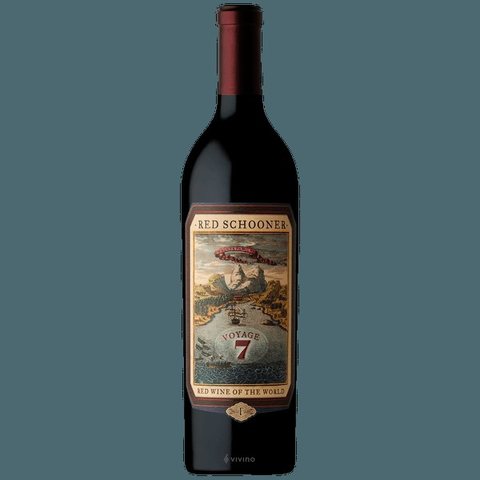
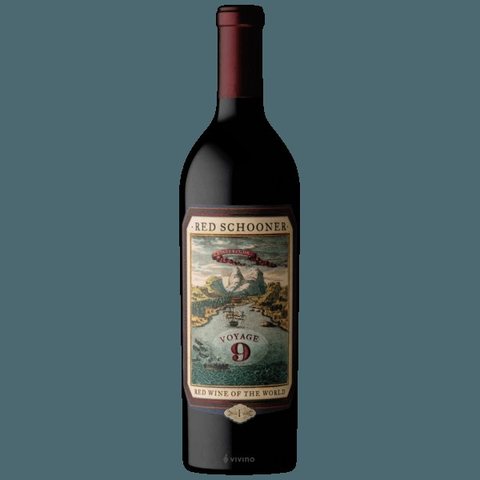
Red Schooner Voyage 9
Scored from 384 calibrated Vivino reviewers. Cohort: Red · Argentina (482 wines).
Find this wine: view on Vivino · compare prices on Wine-Searcher
Is Voyage 9 a good wine?
Tasting profile
A full-bodied Malbec with a floral, leather, and tobacco nose giving way to dark fruit, plum, and smooth chocolate on the palate. Bold yet balanced with soft tannins, a hint of oak and pepper, and a lingering finish that pairs beautifully with red meat.
Synthesized from 384Vivino reviewers' tasting notes for this bottle.
What reviewers say
“Excellent! Bold Malbec without overpowering tannins. Leather, dark fruit, plum, round. Full bodied red, drinks like a blend bit with more character.”
From a top-rated Vivino review for this bottle.
Summary
Red Schooner Voyage 9 is Malbec grown in Mendoza, bottled as a red.
Its in-cohort standing is measured against 481 other reds from Argentina, not against the corpus as a whole. The calibrated figure is built from 384 of its Vivino reviewers. A broader pool of 391 reviewers with two or more ratings feeds the raw-average track instead.
- Cohort
- Red · Argentina · 482 wines
- Calibrated reviewers
- none yet