Red · Dão · Portugal
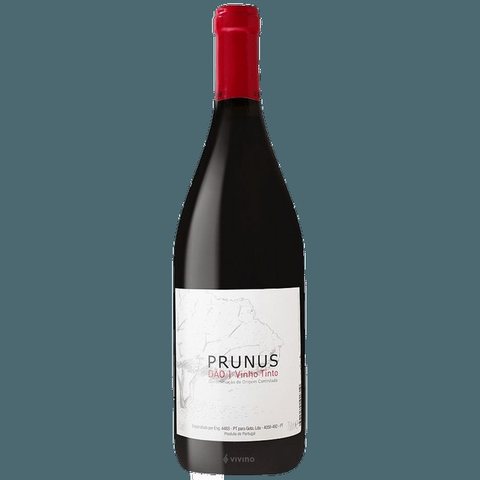
Prunus Tinto
Scored from 189 calibrated Vivino reviewers. Cohort: Red · Portugal (351 wines).
Find this wine: view on Vivino · compare prices on Wine-Searcher
Is Tinto a good wine?
What reviewers say
“(3,5) Een Dao nieuwe stijl, niet smakend naar Gothic studentenkamers, maar een vrolijk fruitig glas volgens de folder. Klopt deze lovende marketing? Ja, volledig! Voor een supermarktprijs een fijne blij wijn. Niet al te veel geur, bosaardbei en rode kersen.”
From a top-rated Vivino review for this bottle.
Summary
Elegance on a grand scale. Lightly oaked and perfectly balanced, with a silky texture and crisp edge, supporting black cherry and raspberry fruit flavours. Delicious with poultry and pork dishes.
From Dão in Portugal, Prunus Tinto is a red. It blends Touriga Nacional, Jaen, Tinta Roriz and Alfrocheiro Preto.
189 Vivino reviewers are calibrated for this bottle, and those are the ones the calibrated score reads; a separate, broader pool of 197 reviewers with at least two ratings each feeds the raw-average track. 350 other reds from Portugal form the cohort it is ranked inside.
- Cohort
- Red · Portugal · 351 wines
- Calibrated reviewers
- none yet
Cohort: Red · Portugal