Red · Oregon · United States
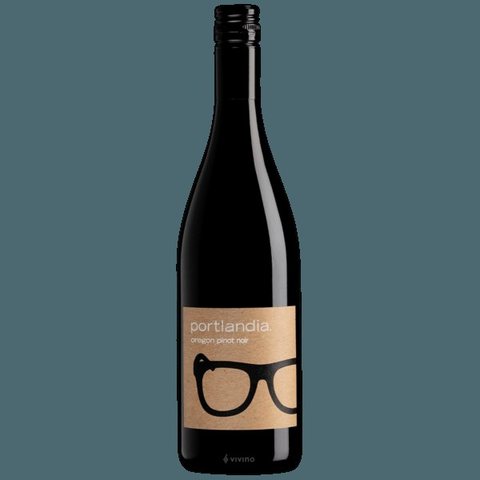
Portlandia Pinot Noir
Scored from 1,099 calibrated Vivino reviewers. Cohort: Red · United States (1,156 wines).
Find this wine: view on Vivino · compare prices on Wine-Searcher
Is Pinot Noir a good wine?
What reviewers say
“Let me take out my locally-feathered-voc-free-soy-ink-filled-quill to pen this review. I rode my bike to the wine store with my recycled canvas bag from the Park Slope co-op.”
From a top-rated Vivino review for this bottle.
Summary
Bright youthful garnet color of medium intensity. Sweet ripe cherry and red plum aromas with a hint of minerality and spicy pipe tobacco. Aromas are medium+ intensity. Aromas repeat as flavors, with a spicy lingering finish.
Portlandia Pinot Noir is an American red from Oregon. At $17.99 for the lowest 750 ml listing, it belongs to the $15–30 band.
1,155 other reds from the United States form the cohort it is ranked inside. 1,099 Vivino reviewers are calibrated for this bottle, and those are the ones the calibrated score reads; a separate, broader pool of 1,123 reviewers with at least two ratings each feeds the raw-average track.
- Cohort
- Red · United States · 1,156 wines
- Calibrated reviewers
- none yet
Cohort: Red · United States