Red · Colchagua Valley · Chile
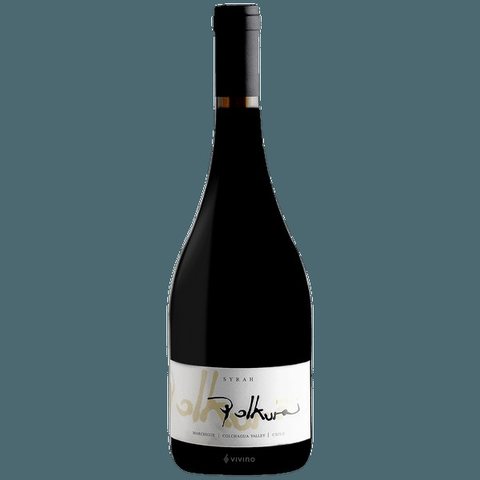
Polkura Syrah
Scored from 1,569 calibrated Vivino reviewers. Cohort: Red · Chile (444 wines).
Find this wine: view on Vivino · compare prices on Wine-Searcher
Is Syrah a good wine?
What reviewers say
“Found a 2015 at Crafty for $13.99 and couldn't help but take a flyer on a ten year old wine at that price, even though it was dusty and stored upright on a shelf for God knows how long.”
From a top-rated Vivino review for this bottle.
Summary
An expressive and unique wine that brings an interesting mix of spice and fruit. Aromas recall roasted chiles at first, then smoke and granite, all plushly overlaying notes of plum and blackberry jam.
Polkura Syrah is a Chilean red made from Shiraz Syrah. At $21.99 for the lowest 750 ml listing, it belongs to the $15–30 band. It is bottled in Colchagua Valley.
1,569 Vivino reviewers are calibrated for this bottle, and those are the ones the calibrated score reads; a separate, broader pool of 1,607 reviewers with at least two ratings each feeds the raw-average track. The cohort it is ranked inside holds 444 Chilean reds.
- Cohort
- Red · Chile · 444 wines
- Calibrated reviewers
- none yet
Cohort: Red · Chile