Red · Isola dei Nuraghi · Italia
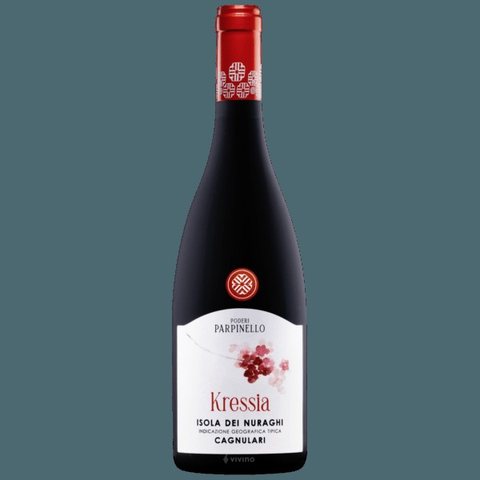
Poderi Parpinello Kressia Cagnulari Isola dei Nuraghi
Scored from 87 calibrated Vivino reviewers. Cohort: Red · Italia (235 wines).
Find this wine: view on Vivino · compare prices on Wine-Searcher
Is Kressia Cagnulari Isola dei Nuraghi a good wine?
What reviewers say
“In der Nase zeigen sich fruchtige Noten von reifen Beeren, begleitet von floralen Nuancen und einer feinen Würze. Am Gaumen wirkt er rund und harmonisch, mit einer guten Balance zwischen Frische und Struktur. Die Tannine sind samtig eingebunden, was dem Wein eine angenehme Tiefe verleiht. Ein mediterraner Rotwein, der sowohl solo als auch zu Pasta, gegrilltem Fleisch oder Käse hervorragend passt.”
From a top-rated Vivino review for this bottle.
Summary
From Isola dei Nuraghi in Italy, Poderi Parpinello Kressia Cagnulari Isola dei Nuraghi is a red.
The calibrated figure is built from 87 of its Vivino reviewers. A broader pool of 89 reviewers with two or more ratings feeds the raw-average track instead. Its in-cohort standing is measured against 234 other reds from Italy, not against the corpus as a whole.
- Cohort
- Red · Italia · 235 wines
- Calibrated reviewers
- none yet
Cohort: Red · Italia