Philipponnat Blanc de Noirs Extra Brut Champagne
3
global pct
95.4
Sparkling · Champagne · Francia
Philipponnat Blanc de Noirs Extra Brut Champagne
Scored from 849 calibrated Vivino reviewers. Cohort: Sparkling · Francia (363 wines).
95.4%
Global percentile
vs. all 69,234 ranked wines
85.1%
In-cohort percentile
Sparkling · Francia · 363 wines
—
AI-adjusted percentile
not enough calibrated reviewers yet
Find this wine: view on Vivino · compare prices on Wine-Searcher
Is Blanc de Noirs Extra Brut Champagne a good wine?
What reviewers say
“Ottimo vino . Ottima persistenza in bocca . Ottimo con carni bianche formaggi freschi e molli e pesce come salmone ! E’ il mio preferito!!”
From a top-rated Vivino review for this bottle.
Summary
From Champagne in France, Philipponnat Blanc de Noirs Extra Brut Champagne is a sparkling wine.
The cohort it is ranked inside holds 363 French sparkling wines. The calibrated figure is built from 849 of its Vivino reviewers. A broader pool of 857 reviewers with two or more ratings feeds the raw-average track instead.
- Cohort
- Sparkling · Francia · 363 wines
- Calibrated reviewers
- none yet
Cohort: Sparkling · Francia
Closest peers
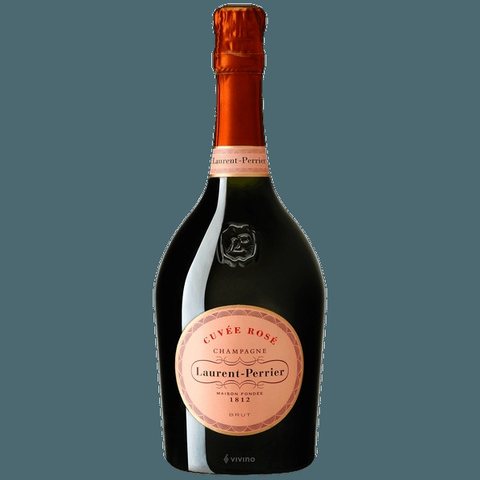 Sparkling95.5
Lanson · Noble Cuvée Blanc de Blancs Brut Champagne
Bérêche & Fils · Campania Remensis Champagne
Vazart-Coquart & Fils · 82/15 Champagne Grand Cru Chouilly
Leclerc Briant · La Croisette Champagne
Bourgeois-Diaz · BD'3CC Brut Nature Champagne
Michel Laval · Le Secret de Jules Champagne
Jacquesson · Cuvée No. 741 Dégorgement Tardif Extra Brut Champagne