White · Languedoc · France
Peyre Rose Oro Blanc
Scored from 238 calibrated Vivino reviewers. Cohort: White · France (7,336 wines).
Find this wine: view on Vivino · compare prices on Wine-Searcher
Is Oro Blanc a good wine?
Tasting profile
A complex, golden-hued white showing dried fruit, quince paste, prune, and a touch of petrol-like minerality, layered with floral freshness and nutty richness from its long oxidative aging. The body is generous and singular, with remarkable length and a precise, lingering finish.
Synthesized from 238Vivino reviewers' tasting notes for this bottle.
What reviewers say
“A sa couleur or on pourrait croire à un vin de dessert, ce qui n'est pas le cas. Arômes complexes, minérale, un peu pétrolé,... Juste exceptionnel !”
From a top-rated Vivino review for this bottle.
Summary
Peyre Rose Oro Blanc is a white from Languedoc, France.
The calibrated figure is built from 238 of its Vivino reviewers. A broader pool of 241 reviewers with two or more ratings feeds the raw-average track instead. 7,335 other whites from France form the cohort it is ranked inside.
- Cohort
- White · France · 7,336 wines
- Calibrated reviewers
- none yet
Cohort: White · France
Closest peers
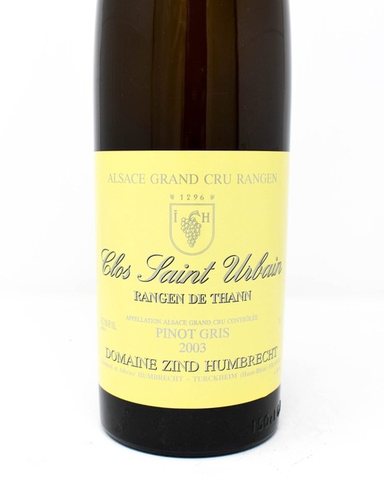 White97.4
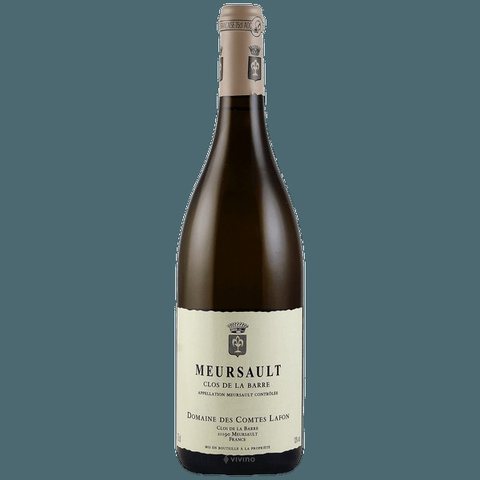 White97.4