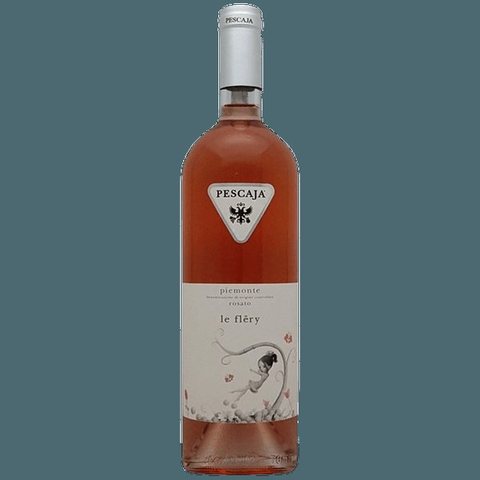
Rosé · Piemonte · Italy
Pescaja Le Flëry Rosato
Scored from 180 calibrated Vivino reviewers. Cohort: Rosé · Italy (547 wines).
Find this wine: view on Vivino · compare prices on Wine-Searcher
Is Le Flëry Rosato a good wine?
What reviewers say
“This Rosé is one of the best roses I have had this summer. First thing you'll notice is its beautiful aroma of peaches and flowers. There are lots of fruit flavors in this drink, including grapefruit, strawberries, and peaches. Each flavor blends well with the others, and none of them overpower the other flavors. It has such a beautiful and delicate finish. So far, this is my best rose. It is a great Rosé that I would highly recommend and that you should buy. I rate it 4.6 stars out of 5.”
From a top-rated Vivino review for this bottle.
Summary
Pescaja Le Flëry Rosato is an Italian rosé from Piemonte.
Its in-cohort standing is measured against 546 other rosés from Italy, not against the corpus as a whole. The calibrated figure is built from 180 of its Vivino reviewers. A broader pool of 190 reviewers with two or more ratings feeds the raw-average track instead.
- Cohort
- Rosé · Italy · 547 wines
- Calibrated reviewers
- none yet
Cohort: Rosé · Italy