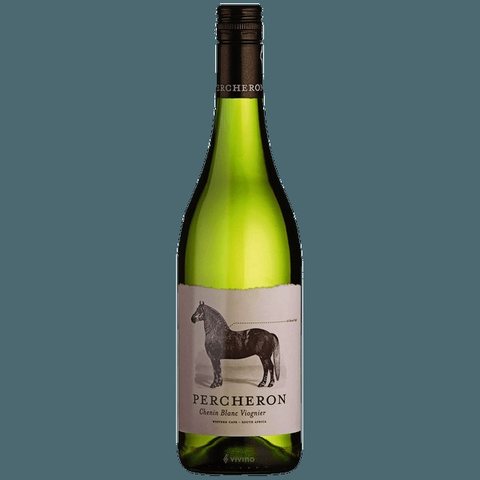
White · Swartland · South Africa
Percheron Chenin Blanc - Viognier
Scored from 608 calibrated Vivino reviewers. Cohort: White · South Africa (872 wines).
Find this wine: view on Vivino · compare prices on Wine-Searcher
Is Chenin Blanc - Viognier a good wine?
What reviewers say
“Catch-up notes. A WO Swartland 75/25 Chenin/Viognier that’s great value for money. Pale lemon. Very clean & fresh w. lovely ‘softness’. Honey, lemon, grapefruit, lime peel w. touches of peach & apricot. M+ aroma intensity, youthful at the time of tasting. Dry. Lovely richness & m+ flavour intensity. Very fruit-forward w. lemon, orange rind, apricot, white peach & a touch of honey. High acid, m+ alc, med body & good overall balance to a m+ finish.”
From a top-rated Vivino review for this bottle.
Summary
Percheron Chenin Blanc - Viognier is a white from Swartland, South Africa.
871 other whites from South Africa form the cohort it is ranked inside. The calibrated figure is built from 608 of its Vivino reviewers. A broader pool of 623 reviewers with two or more ratings feeds the raw-average track instead.
- Cohort
- White · South Africa · 872 wines
- Calibrated reviewers
- none yet
Cohort: White · South Africa