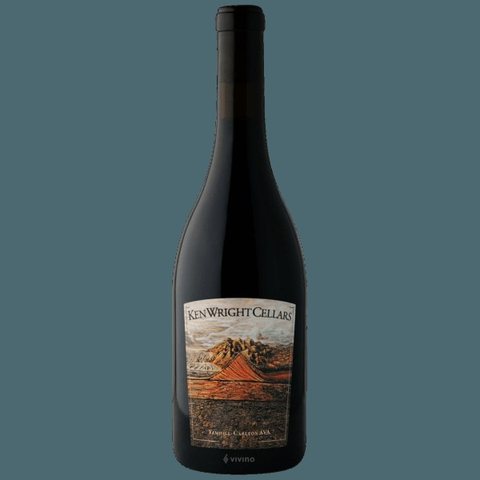
Red · Sonoma Coast · United States
Patz & Hall Sonoma Coast Pinot Noir
Scored from 2,235 calibrated Vivino reviewers. Cohort: Red · United States (1,156 wines).
Find this wine: view on Vivino · compare prices on Wine-Searcher
Is Sonoma Coast Pinot Noir a good wine?
What reviewers say
“Deeply Pinot from Sonoma Valley. Med+ nose of wet earth, slightly sour cherry, light oak smells like old world Pinot, with the exception of a little width of something, I think it might be cinnamon. The fruit is far from all red a mix, but heavy on dark fruit.”
From a top-rated Vivino review for this bottle.
Summary
Patz & Hall Sonoma Coast Pinot Noir is a red from Sonoma Coast, the United States. It sits in the $30–60 band, on a lowest observed 750 ml price of $38.50.
1,155 other reds from the United States form the cohort it is ranked inside. 2,235 Vivino reviewers are calibrated for this bottle, and those are the ones the calibrated score reads; a separate, broader pool of 2,307 reviewers with at least two ratings each feeds the raw-average track.
- Cohort
- Red · United States · 1,156 wines
- Calibrated reviewers
- none yet
Cohort: Red · United States