Red · Barolo · Italy
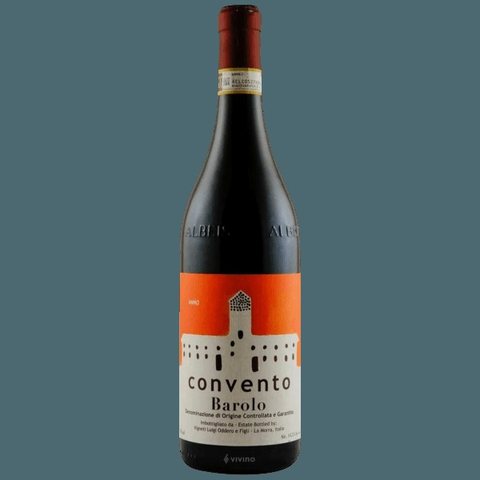
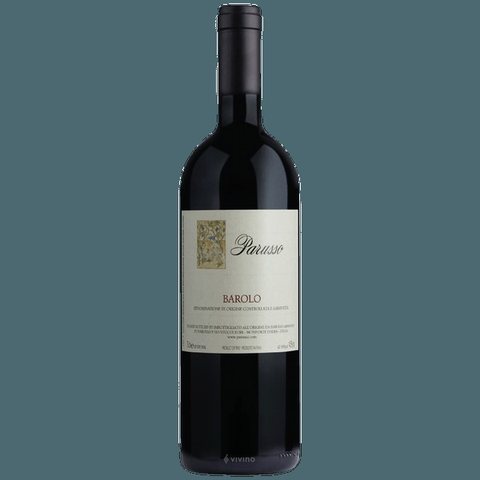
Parusso Barolo
Scored from 898 calibrated Vivino reviewers. Cohort: Red · Italy (947 wines).
Find this wine: view on Vivino · compare prices on Wine-Searcher
Is Barolo a good wine?
What reviewers say
“Barolo nada a ver c/os grandes barolos. Mas gostei assim! Podia ser até um Bordeaux. Delicado, corpo médio com elegância, balinha de cassis, taninos presentes, excitante no nariz e final grandioso! Requer pelo menos 1h de aeração. Muita fruta no nariz e outros aromas especiados.”
From a top-rated Vivino review for this bottle.
Summary
It is ruby red, with garnet reflections. It has ripe fruit, spices, balsamic and mineral. It is harmonic, the tannins are delicate. It is full-bodied but elegant, fruity and berry with a long finish.
Parusso Barolo is an Italian red from Barolo. The grape is Nebbiolo. It sits in the $30–60 band, on a lowest observed 750 ml price of $52.49.
Its in-cohort standing is measured against 946 other reds from Italy, not against the corpus as a whole. The calibrated figure is built from 898 of its Vivino reviewers. A broader pool of 913 reviewers with two or more ratings feeds the raw-average track instead.
- Cohort
- Red · Italy · 947 wines
- Calibrated reviewers
- none yet
Cohort: Red · Italy