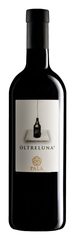
Red · Monica di Sardegna · Italy
Pala Oltreluna
Scored from 100 calibrated Vivino reviewers. Cohort: Red · Italy (947 wines).
Find this wine: view on Vivino · compare prices on Wine-Searcher
Is Oltreluna a good wine?
What reviewers say
“Intensidad media en aromas y en sabores, muy ligero y de baja densidad, similar a un Pinot Noir, en boca hongos, cereza y frambuesa con ligera terrosidad, en nariz tambien hongos con cafe y ciruela y tabaco, acidez media y potencia media alta, interesante este varietal Monica… y la evolución que vale la pena esperar es aun mejor, denle una hora o mas y no los defraudara el cambio…”
From a top-rated Vivino review for this bottle.
Summary
Pala Oltreluna is an Italian red from Monica di Sardegna. At $20.69 for the lowest 750 ml listing, it belongs to the $15–30 band. The grape is Monica.
Its in-cohort standing is measured against 946 other reds from Italy, not against the corpus as a whole. The calibrated figure is built from 100 of its Vivino reviewers. A broader pool of 100 reviewers with two or more ratings feeds the raw-average track instead.
- Cohort
- Red · Italy · 947 wines
- Calibrated reviewers
- none yet
Cohort: Red · Italy