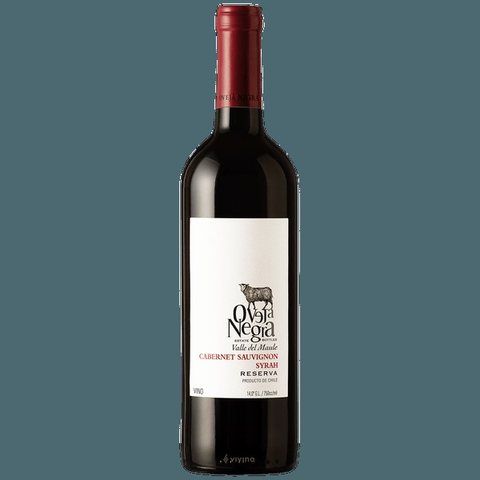
Red · Maule Valley · Chile
Oveja Negra Cabernet Sauvignon - Syrah Reserva
Scored from 1,322 calibrated Vivino reviewers. Cohort: Red · Chile (444 wines).
Find this wine: view on Vivino · compare prices on Wine-Searcher
Is Cabernet Sauvignon - Syrah Reserva a good wine?
What reviewers say
“Apareció este Oveja de hace 15 años que estaba escondido en la casa y lo trajimos a la costa para probarlo durante el fin de semana largo.”
From a top-rated Vivino review for this bottle.
Summary
Deep ruby. Fresh black and blue fruit, floral pastille and peppery spice scents, with suggestions of licorice and pipe tobacco. Juicy, focused and light on its feet, offering bitter cherry and redcurrant flavors and a suggestion of black tea.
From Maule Valley in Chile, Oveja Negra Cabernet Sauvignon - Syrah Reserva is a red. It blends Cabernet Sauvignon and Shiraz Syrah.
1,322 Vivino reviewers are calibrated for this bottle, and those are the ones the calibrated score reads; a separate, broader pool of 1,383 reviewers with at least two ratings each feeds the raw-average track. 443 other reds from Chile form the cohort it is ranked inside.
- Cohort
- Red · Chile · 444 wines
- Calibrated reviewers
- none yet