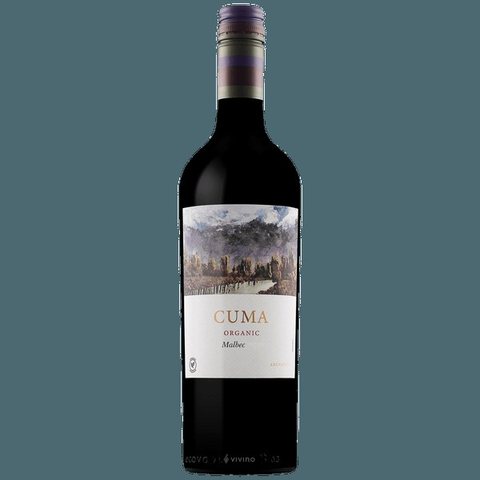
Red · Calchaqui Valley · Argentina
Michel Torino Cuma Organic Malbec
Scored from 1,727 calibrated Vivino reviewers. Cohort: Red · Argentina (482 wines).
Find this wine: view on Vivino · compare prices on Wine-Searcher
Is Cuma Organic Malbec a good wine?
What reviewers say
“Argentinian Malbec is quite popular style on Vivino. This wine is no exception, and more than 1000 users have already rated it, and this is quite impressive. However, popularity doesn't always mean greatness and exclusiveness.It may also mean mediocrity.”
From a top-rated Vivino review for this bottle.
Summary
Showcases a nose of fresh raspberry and blackberry followed by a juicy palate of dark fruit, blueberry and plum. Full bodied. Ripe acidity, spice and a soft finish.
Michel Torino Cuma Organic Malbec is an Argentine red from Calchaqui Valley.
481 other reds from Argentina form the cohort it is ranked inside. 1,727 Vivino reviewers are calibrated for this bottle, and those are the ones the calibrated score reads; a separate, broader pool of 1,808 reviewers with at least two ratings each feeds the raw-average track.
- Cohort
- Red · Argentina · 482 wines
- Calibrated reviewers
- none yet