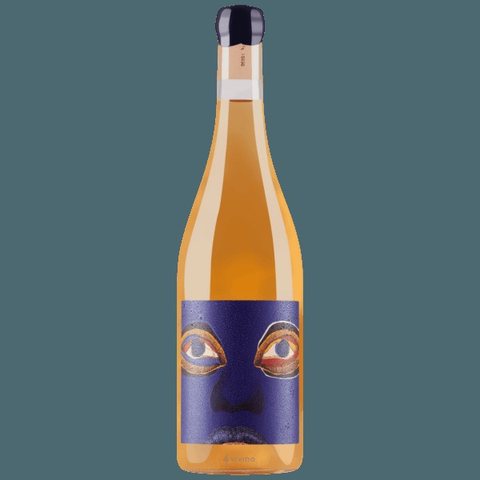
White · Swartland · South Africa
Lubanzi Orange IS
Scored from 58 calibrated Vivino reviewers. Cohort: White · South Africa (872 wines).
Find this wine: view on Vivino · compare prices on Wine-Searcher
Is Orange IS a good wine?
What reviewers say
“Celebratory sips 10/11/24 from the wine tasting machines with my son, Jack, and husband, Jon, at Bin105 to celebrate Jack signing on his first apartment, the cutest loft in downtown Lincoln that he will be able to move into in January! Blend of 86% Chenin Blanc & 14% Viognier from Swartland, South Africa, made by woman winemaker - Trizanne Barnard. Refreshing orange wine with notes of spiced chamomile tea, tangerine zest, apricot and honey. Album cover art of Indaba is, S. African Jazz band.”
From a top-rated Vivino review for this bottle.
Summary
Lubanzi Orange IS is a South African white from Swartland. The blend is Viognier and Chenin Blanc.
The cohort it is ranked inside holds 872 South African whites. The calibrated figure is built from 58 of its Vivino reviewers. A broader pool of 59 reviewers with two or more ratings feeds the raw-average track instead.
- Cohort
- White · South Africa · 872 wines
- Calibrated reviewers
- none yet
Cohort: White · South Africa