Red · Bourgogne Hautes-Côtes de Beaune · France
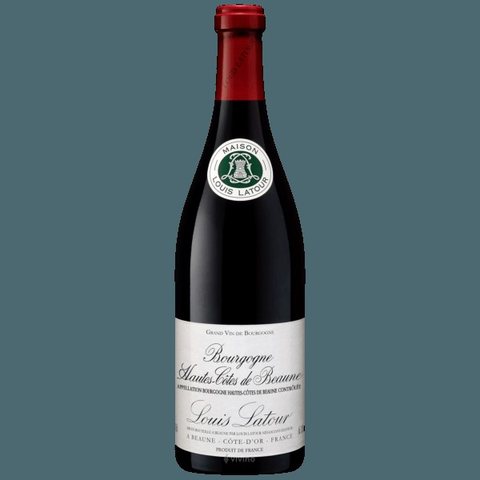
Louis Latour Bourgogne Hautes-Côtes de Beaune
Scored from 1,461 calibrated Vivino reviewers. Cohort: Red · France (1,134 wines).
Find this wine: view on Vivino · compare prices on Wine-Searcher
Is Bourgogne Hautes-Côtes de Beaune a good wine?
What reviewers say
“Havia d’anar a Manresa i vaig escriure a la Pili per a que em busqués una bona PN i a fe de Déu que la va trobar. (El preu de l’App és força erroni perque no recordo fos una ampolla de 0.375 😅) Al veure que era una 20 em va entrsr cert dubte, però el resultat va ser òptim.”
From a top-rated Vivino review for this bottle.
Summary
From Bourgogne Hautes-Côtes de Beaune in France, Louis Latour Bourgogne Hautes-Côtes de Beaune is a red. It is made from Pinot Noir.
Its in-cohort standing is measured against 1,133 other reds from France, not against the corpus as a whole. 1,461 Vivino reviewers are calibrated for this bottle, and those are the ones the calibrated score reads; a separate, broader pool of 1,503 reviewers with at least two ratings each feeds the raw-average track.
- Cohort
- Red · France · 1,134 wines
- Calibrated reviewers
- none yet
Cohort: Red · France