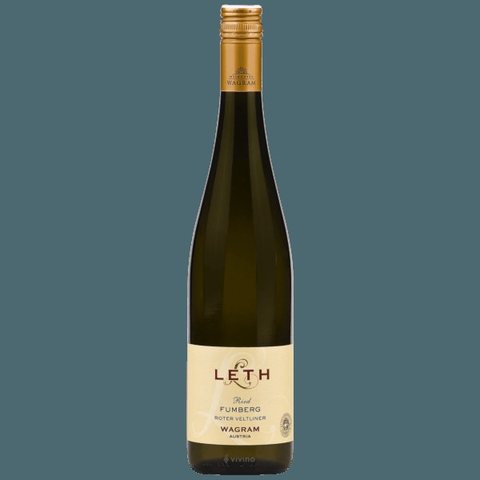
White · Wagram · Austria
Leth Roter Veltliner Ried Fumberg
Scored from 100 calibrated Vivino reviewers. Cohort: White · Austria (1,190 wines).
Find this wine: view on Vivino · compare prices on Wine-Searcher
Is Roter Veltliner Ried Fumberg a good wine?
What reviewers say
“#Follow the Fish It's a very rare grape fermented in the acacia barrel. Reminds me of Grüner Weltliner with creamy and nutty notes in aftertaste. Nose: fully developed, med - intensity, green apple, ripe peach and pear, ripe stone fruit, grass, citrus, white pepper. Palate: dry, med acidity, med alcohol, med + body, long aftertaste. Very good, drink now it has potential for ageing.”
From a top-rated Vivino review for this bottle.
Summary
Leth Roter Veltliner Ried Fumberg is an Austrian white from Wagram. It sits in the $30–60 band, on a lowest observed 750 ml price of $31.95.
Its in-cohort standing is measured against 1,189 other whites from Austria, not against the corpus as a whole. 100 Vivino reviewers are calibrated for this bottle, and those are the ones the calibrated score reads; a separate, broader pool of 100 reviewers with at least two ratings each feeds the raw-average track.
- Cohort
- White · Austria · 1,190 wines
- Calibrated reviewers
- none yet
Cohort: White · Austria
Closest peers
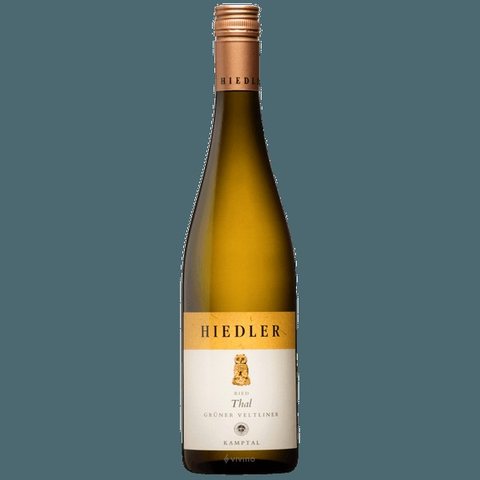 White63.7
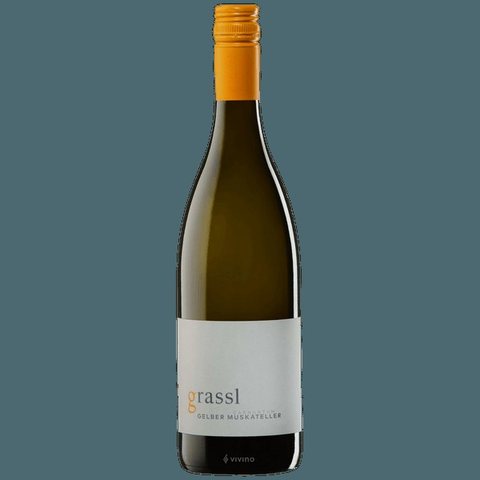 White63.6