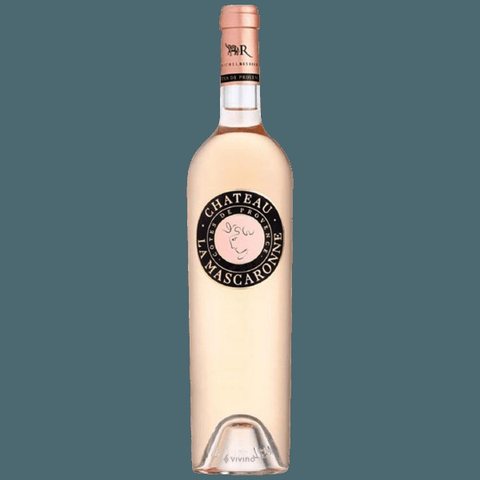
Rosé · Côtes de Provence · France
La Mascaronne Provence Rosé
Scored from 603 calibrated Vivino reviewers. Cohort: Rosé · France (2,010 wines).
70.6%
Global percentile
vs. all 69,234 ranked wines
88.9%
In-cohort percentile
Rosé · France · 2,010 wines
—
AI-adjusted percentile
not enough calibrated reviewers yet
Find this wine: view on Vivino · compare prices on Wine-Searcher
Is Provence Rosé a good wine?
What reviewers say
“Fresh citrus- and white fruit plus red berries in this Provençal rosé - home of rosé wine. Also the, fully biodynamic, estate is owned by a celebrity winemaker, michel reybier.”
From a top-rated Vivino review for this bottle.
Summary
La Mascaronne Provence Rosé is a French rosé from Côtes de Provence.
The calibrated figure is built from 603 of its Vivino reviewers. A broader pool of 613 reviewers with two or more ratings feeds the raw-average track instead. 2,009 other rosés from France form the cohort it is ranked inside.
- Cohort
- Rosé · France · 2,010 wines
- Calibrated reviewers
- none yet
Cohort: Rosé · France
Closest peers
Château Paradis · Terre des Anges Rosé
Claude Riffault · La Noue Sancerre Rosé
Château Pigoudet · La Chapelle Rosé
Jean Jacques Bardin · Domaine Les Chaumes Sancerre Rosé
Domaine Ollier Taillefer · Clos des Murettes Faugeres
Moulin la Viguerie · La Combe des Rieu Tavel Rosé
Cave du Marmandais · Ça S'arrose
Domaine Bonnet-Cotton · Piscine Olympique Rosé