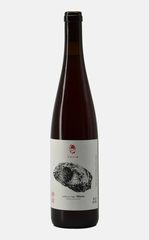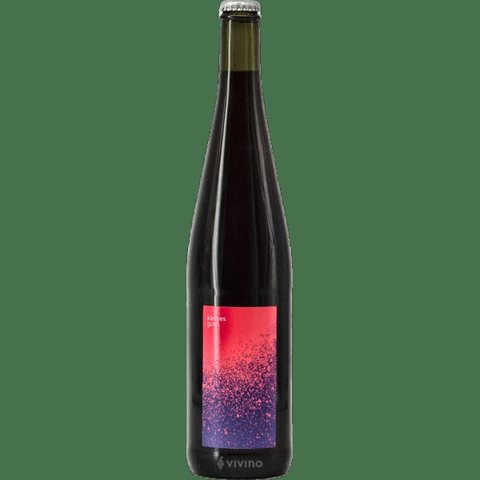
Red · Württemberg · Deutschland
Kleines Gut Vin de Soif
Scored from 85 calibrated Vivino reviewers. Cohort: Red · Deutschland (14 wines).
Find this wine: view on Vivino · compare prices on Wine-Searcher
Is Vin de Soif a good wine?
What reviewers say
“60% Trollinger, 30% Pinot Noir, and 10% Zweigelt from Baden Wittenberg Germany. Deep garnet in glass. Tad reductive and effervescent. On the nose sour cherry. Along with lots of other forest berries and forest floor. Cranberry. Dried flowers. On the palate sour Macintosh apple. A tad bit meaty. Kind of like grilled pork chop lol. Bitter blackberry. Some wild berries. A blast of juicy berry flavors followed by a nice tart sour flavor. Easy drinking.”
From a top-rated Vivino review for this bottle.
Summary
Kleines Gut Vin de Soif is a red from Württemberg, Germany. It blends Pinot Noir, Trollinger and Zweigelt.
85 Vivino reviewers are calibrated for this bottle, and those are the ones the calibrated score reads; a separate, broader pool of 85 reviewers with at least two ratings each feeds the raw-average track. The cohort it is ranked inside holds 14 German reds.
- Cohort
- Red · Deutschland · 14 wines
- Calibrated reviewers
- none yet