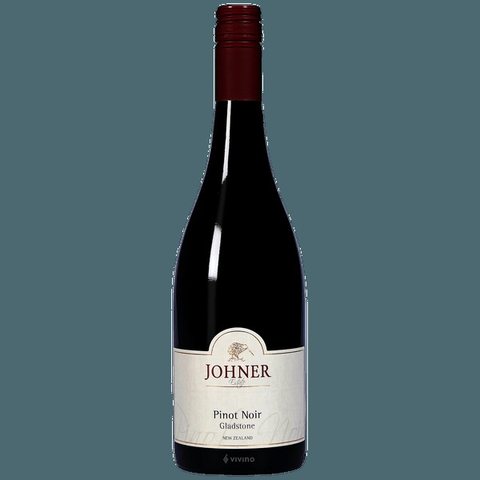
Red · Gladstone · New Zealand
Johner Estate Pinot Noir
Scored from 86 calibrated Vivino reviewers. Cohort: Red · New Zealand (238 wines).
Find this wine: view on Vivino · compare prices on Wine-Searcher
Is Pinot Noir a good wine?
What reviewers say
“Boy has the 2011 come up well. This is a classic Wairarapa Pinot Noir. Johner is in a little spread out town called Gladstone near Martinborough and frankly bang for the buck is a hidden gem. This is silk pulled over the tongue.”
From a top-rated Vivino review for this bottle.
Summary
A beautifully styled Pinot Noir. Bright garnet colour with aromas of violets, nougat, herbs & spice, sweet cherry & plum follow with savoury textures, fine tannins a touch of vanillin oak and a long balanced finish.
From Gladstone in New Zealand, Johner Estate Pinot Noir is a red.
Its in-cohort standing is measured against 237 other reds from New Zealand, not against the corpus as a whole. The calibrated figure is built from 86 of its Vivino reviewers. A broader pool of 89 reviewers with two or more ratings feeds the raw-average track instead.
- Cohort
- Red · New Zealand · 238 wines
- Calibrated reviewers
- none yet
Cohort: Red · New Zealand
Closest peers
 Red73.6