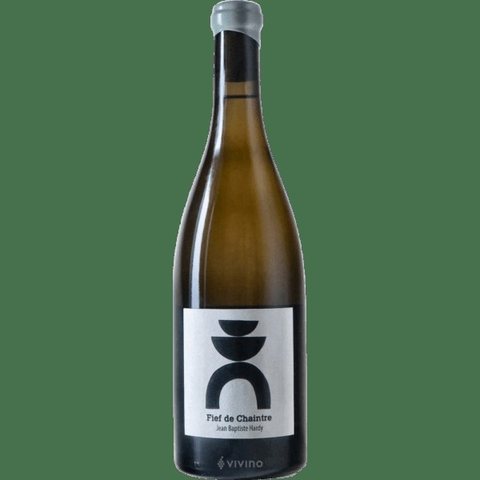
White · Muscadet · France
Jean-Baptiste Hardy Fief de Chaintre
Scored from 123 calibrated Vivino reviewers. Cohort: White · France (7,336 wines).
Find this wine: view on Vivino · compare prices on Wine-Searcher
Is Fief de Chaintre a good wine?
What reviewers say
“Jean-Baptiste Hardy, mentored by Meursault master Jean-Marc Roulot, has revitalized his familys Mouzillon estate. In Muscadet Sèvre et Maine, part of the newly designated Cru Communaux, he adopts a quality-focused, organic approach on 4ha of aged Melon de Bourgogne vines.”
From a top-rated Vivino review for this bottle.
Summary
Jean-Baptiste Hardy Fief de Chaintre is a white from Muscadet, France. At $51.17 for the lowest 750 ml listing, it belongs to the $30–60 band. It is made from Melon De Bourgogne.
The cohort it is ranked inside holds 7,336 French whites. 123 Vivino reviewers are calibrated for this bottle, and those are the ones the calibrated score reads; a separate, broader pool of 125 reviewers with at least two ratings each feeds the raw-average track.
- Cohort
- White · France · 7,336 wines
- Calibrated reviewers
- none yet
Cohort: White · France
Closest peers
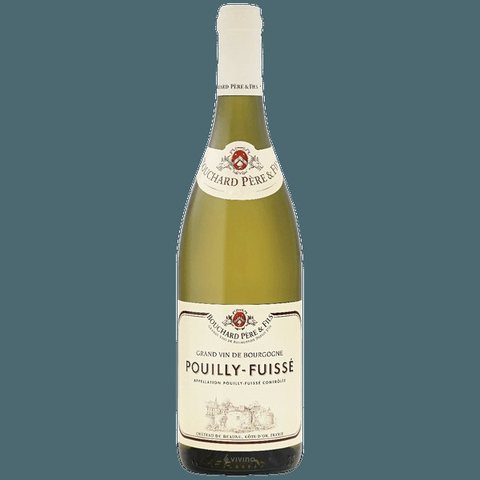 White60.3
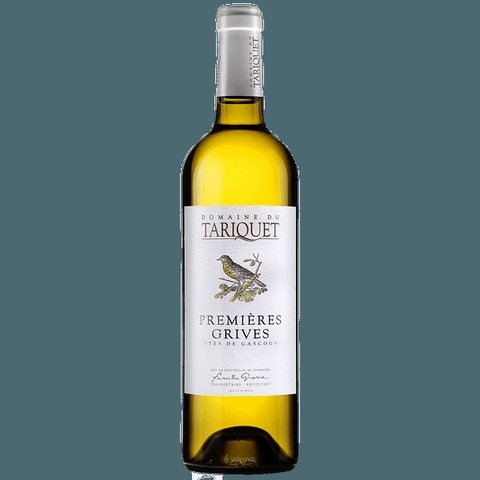 White60.2