Sparkling · Tasmania · Australia
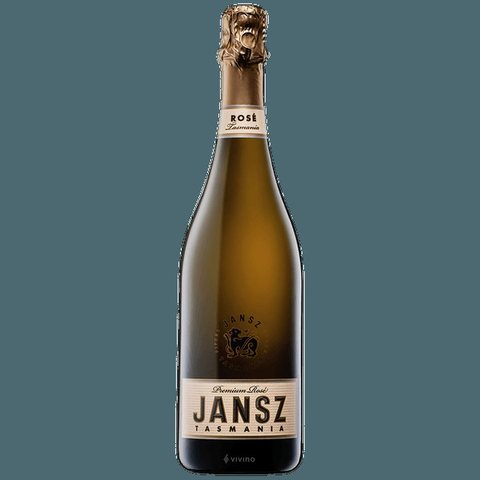
Jansz Premium Rosé
Scored from 899 calibrated Vivino reviewers. Cohort: Sparkling · Australia (378 wines).
Find this wine: view on Vivino · compare prices on Wine-Searcher
Is Premium Rosé a good wine?
What reviewers say
“I enjoyed this traditional-method sparkling Rose from 🇦🇺 Tasmania, Australia. It’s a blend of 🍇 92% Pinot Noir, 8% Chardonnay, aged on the lees for 18 months. Pale pink color.”
From a top-rated Vivino review for this bottle.
Summary
Pale colour resembling rose petals or Argyle pink diamonds. The nose is fragrant and expressive with aromas of rose water, quince blossom and strawberries, overlaid by notes of truffle and sweet brioche.
Jansz Premium Rosé is an Australian sparkling wine from Tasmania. At $30.95 for the lowest 750 ml listing, it belongs to the $30–60 band. The blend is Pinot Noir, Chardonnay and Pinot Meunier.
377 other sparkling wines from Australia form the cohort it is ranked inside. The calibrated figure is built from 899 of its Vivino reviewers. A broader pool of 916 reviewers with two or more ratings feeds the raw-average track instead.
- Cohort
- Sparkling · Australia · 378 wines
- Calibrated reviewers
- none yet
Cohort: Sparkling · Australia