White · California · United States
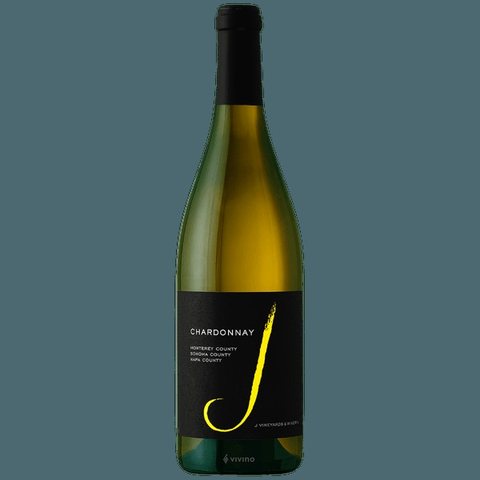
J Vineyards Chardonnay (Napa County / Sonoma County / Monterey County)
Scored from 425 calibrated Vivino reviewers. Cohort: White · United States (2,311 wines).
Find this wine: view on Vivino · compare prices on Wine-Searcher
Is Chardonnay (Napa County / Sonoma County / Monterey County) a good wine?
What reviewers say
“I did my first night dive tonight! Fantastic experience and I’m very happy! I saw 8 Manta Rays!😊👍🏻🙌🏻 In the hotel I enjoy this delicious Chardonnay! 3.8 stars.👌🏻 A pale yellow color with many legs.”
From a top-rated Vivino review for this bottle.
Summary
J Vineyards Chardonnay (Napa County / Sonoma County / Monterey County) is a white from California, the United States. The cheapest 750 ml listing found for it is $20.99, which puts the bottle in the $15–30 band.
425 Vivino reviewers are calibrated for this bottle, and those are the ones the calibrated score reads; a separate, broader pool of 436 reviewers with at least two ratings each feeds the raw-average track. 2,310 other whites from the United States form the cohort it is ranked inside.
- Cohort
- White · United States · 2,311 wines
- Calibrated reviewers
- none yet
Cohort: White · United States
Closest peers
 White60.4