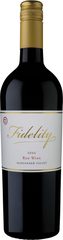
Red · Alexander Valley · United States
Goldschmidt Vineyards Fidelity Red
Scored from 228 calibrated Vivino reviewers. Cohort: Red · United States (1,156 wines).
Find this wine: view on Vivino · compare prices on Wine-Searcher
Is Fidelity Red a good wine?
What reviewers say
“Medium ruby in color with a nose of dark red and black fruit, oak spice. Rich tastes of blackberry, black cherry, black plums, black raspberry. Well balanced blend of 76% Merlot, 12% Cabernet Sauvignon, 7% Petit Verdot, 3% Cabernet Franc, and 2% Malbec aged in French oak with 12 months of bottle age. Medium to full in body with a fairly lengthy finish. Notes of vanilla, brown baking spices. Supple tannins.”
From a top-rated Vivino review for this bottle.
Summary
Goldschmidt Vineyards Fidelity Red is Cabernet Sauvignon grown in Alexander Valley, bottled as a red. It sits in the $15–30 band, on a lowest observed 750 ml price of $22.99.
The cohort it is ranked inside holds 1,156 American reds. The calibrated figure is built from 228 of its Vivino reviewers. A broader pool of 233 reviewers with two or more ratings feeds the raw-average track instead.
- Cohort
- Red · United States · 1,156 wines
- Calibrated reviewers
- none yet