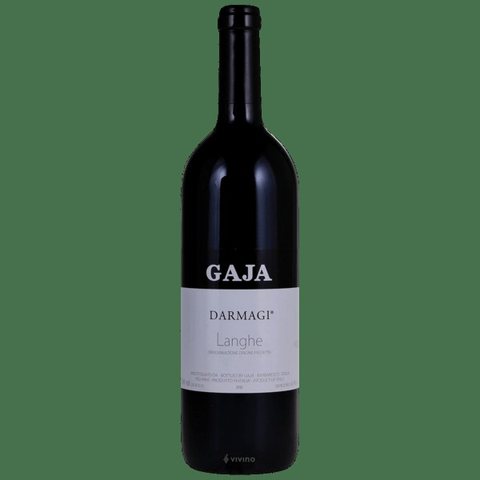
Red · Langhe · Italy
Gaja Darmagi Langhe
Scored from 877 calibrated Vivino reviewers. Cohort: Red · Italy (947 wines).
Find this wine: view on Vivino · compare prices on Wine-Searcher
Is Darmagi Langhe a good wine?
What reviewers say
“Extremely tight at first, almost strangely a bit vegetal. Opened up beautifully, almost a classic Bordeaux nose. Could definitely go another 5 years.”
From a top-rated Vivino review for this bottle.
Summary
Intense, deep red, almost black. Opulent layers of concentrated fruit. Excellent fruit with strong cassis flavors and impressive power on the palate carry through to the long finish with persistent soft tannins.
Gaja Darmagi Langhe is a red from Langhe, Italy, made from Cabernet Sauvignon. It sits in the $120-and-up band, on a lowest observed 750 ml price of $400.
946 other reds from Italy form the cohort it is ranked inside. The calibrated figure is built from 877 of its Vivino reviewers. A broader pool of 900 reviewers with two or more ratings feeds the raw-average track instead.
- Cohort
- Red · Italy · 947 wines
- Calibrated reviewers
- none yet
Cohort: Red · Italy
Closest peers
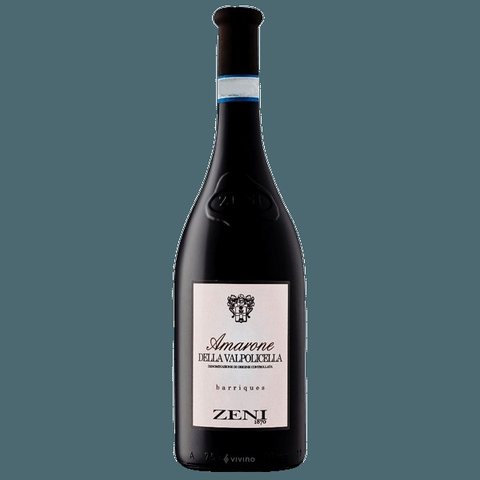 Red98.4