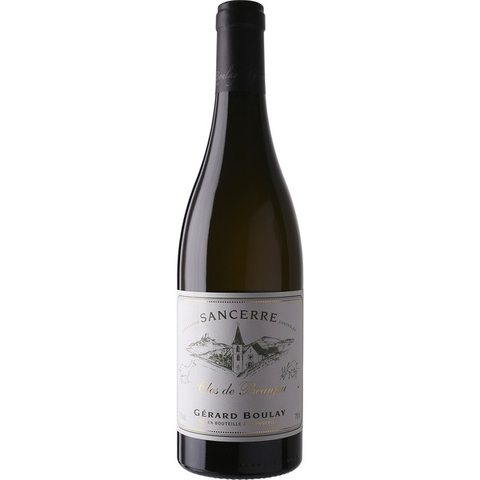
White · Sancerre · France
Gérard Boulay Clos de Beaujeu Sancerre
Scored from 425 calibrated Vivino reviewers. Cohort: White · France (7,336 wines).
Find this wine: view on Vivino · compare prices on Wine-Searcher
Is Clos de Beaujeu Sancerre a good wine?
What reviewers say
“This is “proppa(!)” Sancerre, bristling with intent and tension, I opened this on a 27 degree Friday afternoon assuming it would be a zingy and zesty thirst quencher but it’s altogether more serious than that.”
From a top-rated Vivino review for this bottle.
Summary
Ripe, exotic nose of grapefruit, melon, and sweet floral essences. A lush and juicy, with striking creaminess of texture and a polished finish.
Gérard Boulay Clos de Beaujeu Sancerre is a French white made from Sauvignon Blanc. It comes from Sancerre, in France. At $74.99 for the lowest 750 ml listing, it belongs to the $60–120 band.
425 Vivino reviewers are calibrated for this bottle, and those are the ones the calibrated score reads; a separate, broader pool of 432 reviewers with at least two ratings each feeds the raw-average track. The cohort it is ranked inside holds 7,336 French whites.
- Cohort
- White · France · 7,336 wines
- Calibrated reviewers
- none yet
Cohort: White · France
Closest peers
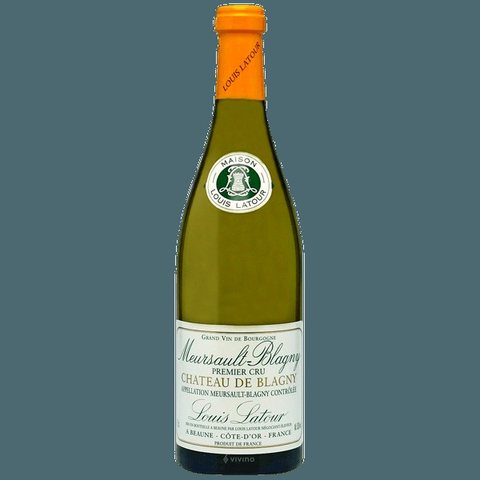 White86.5